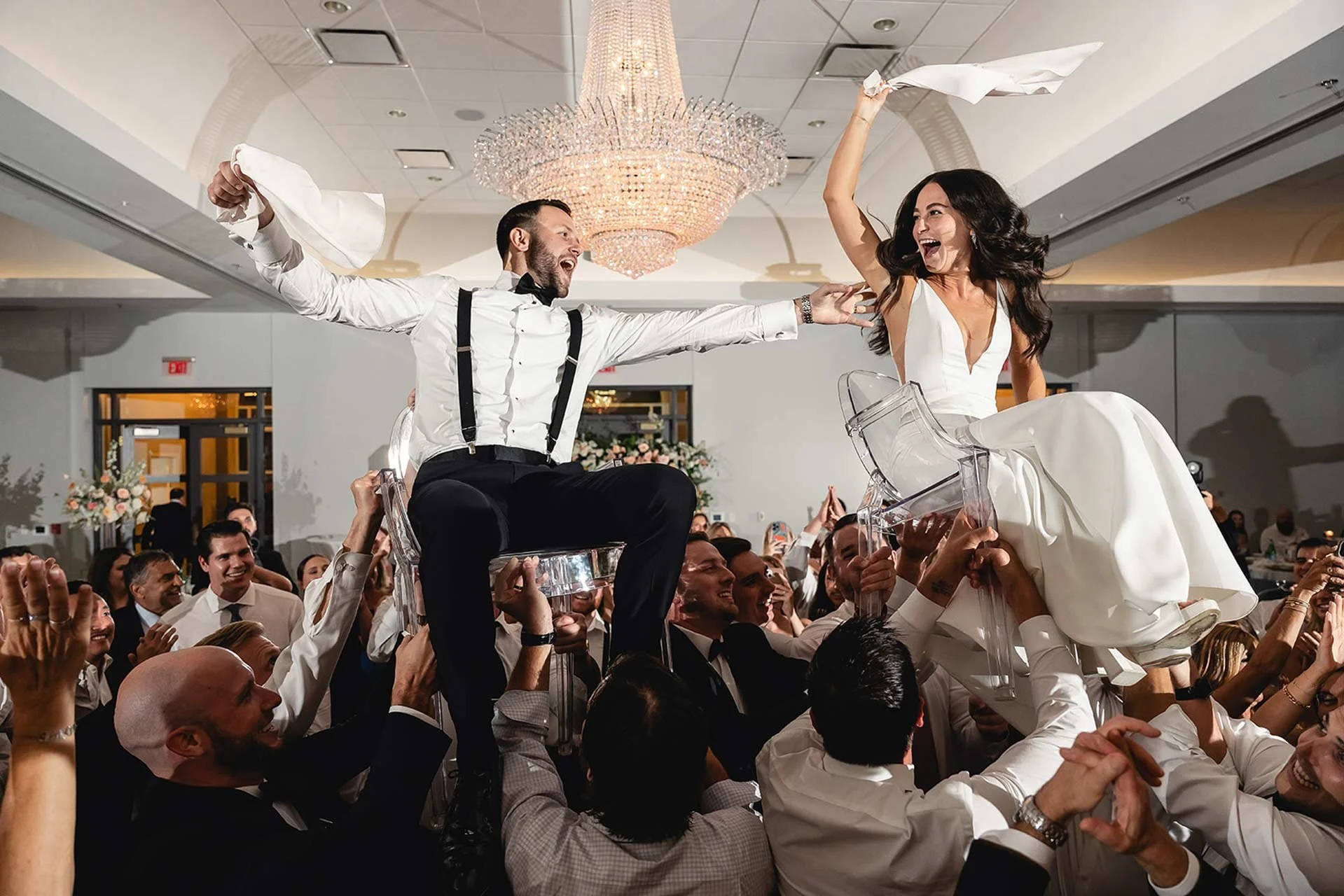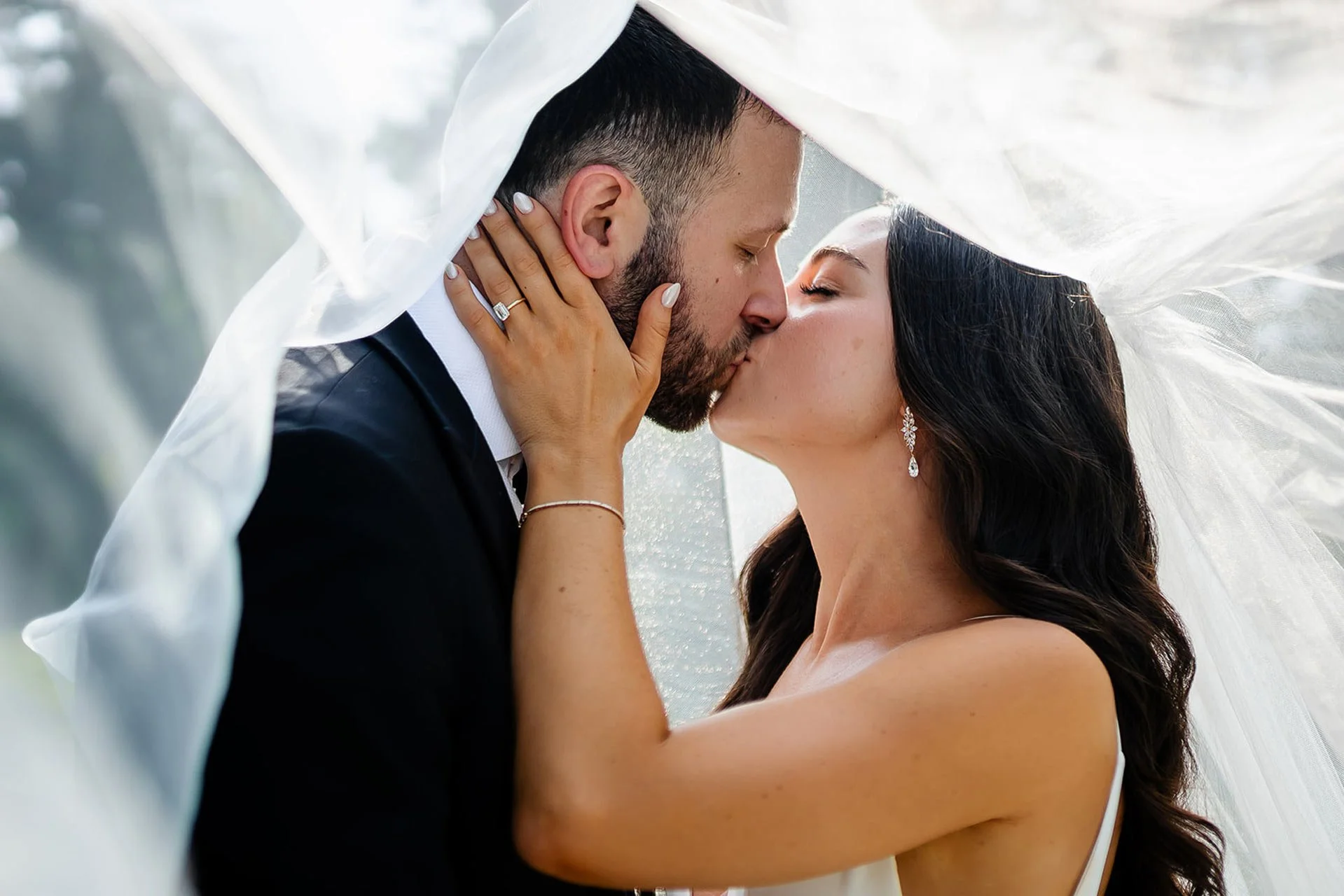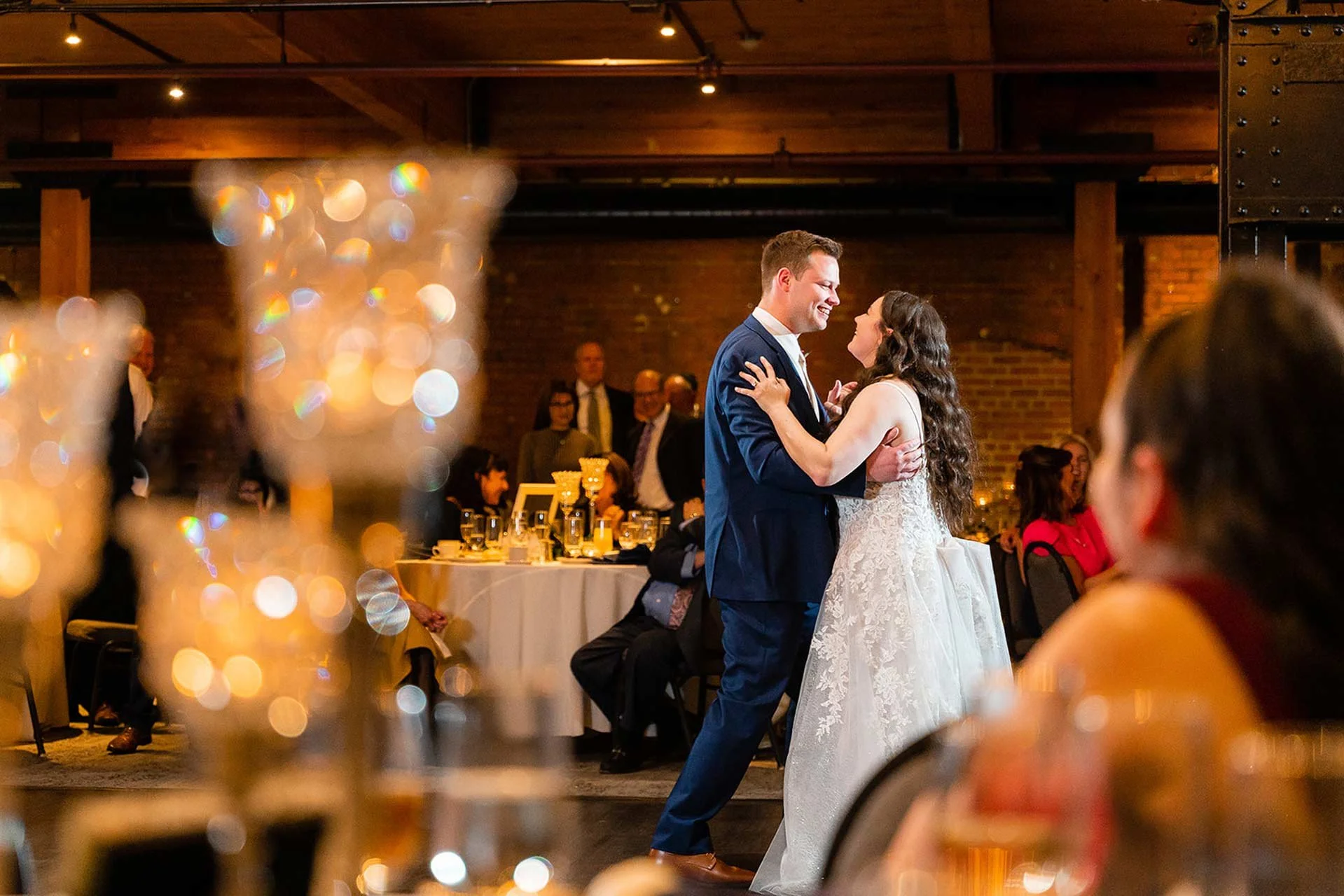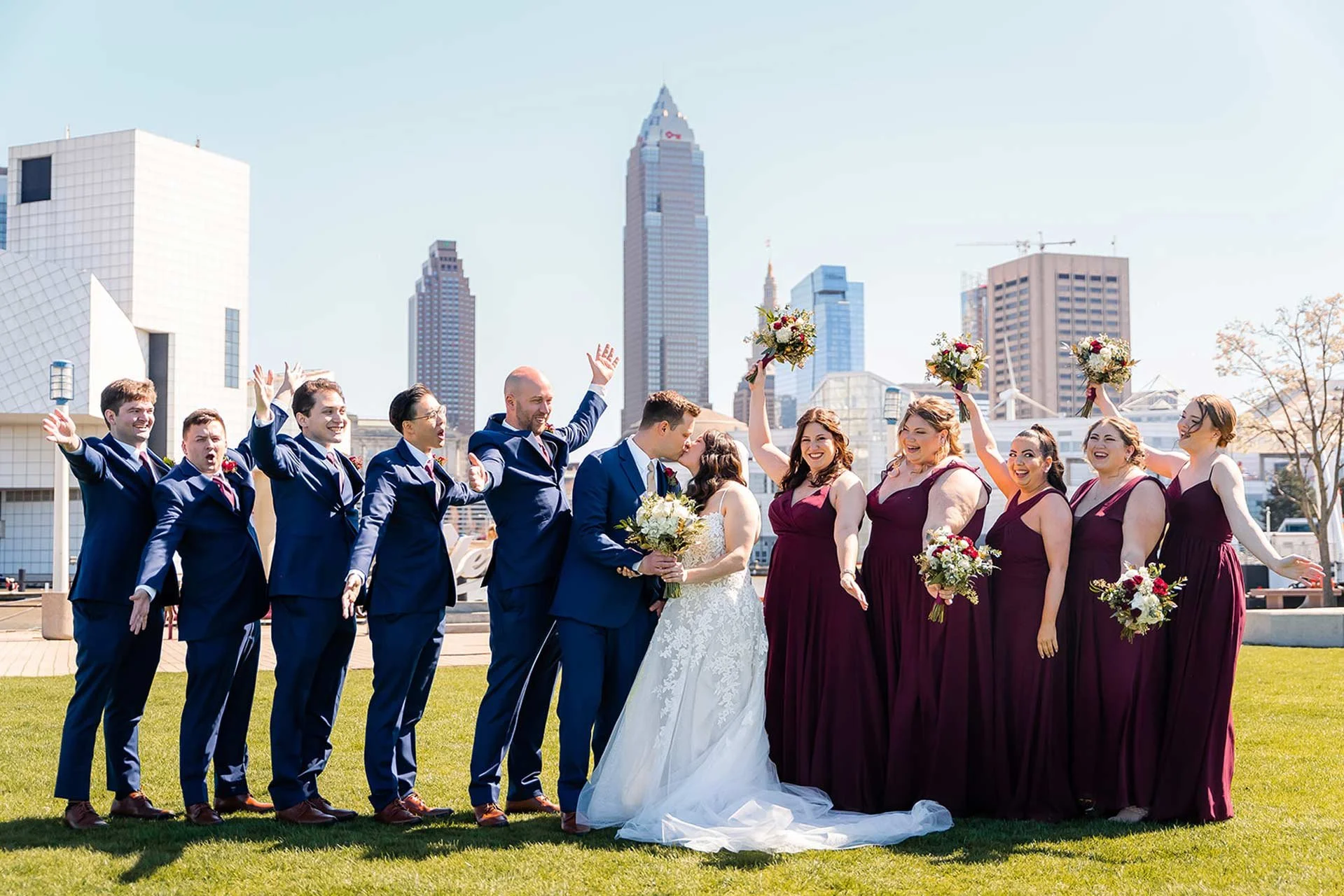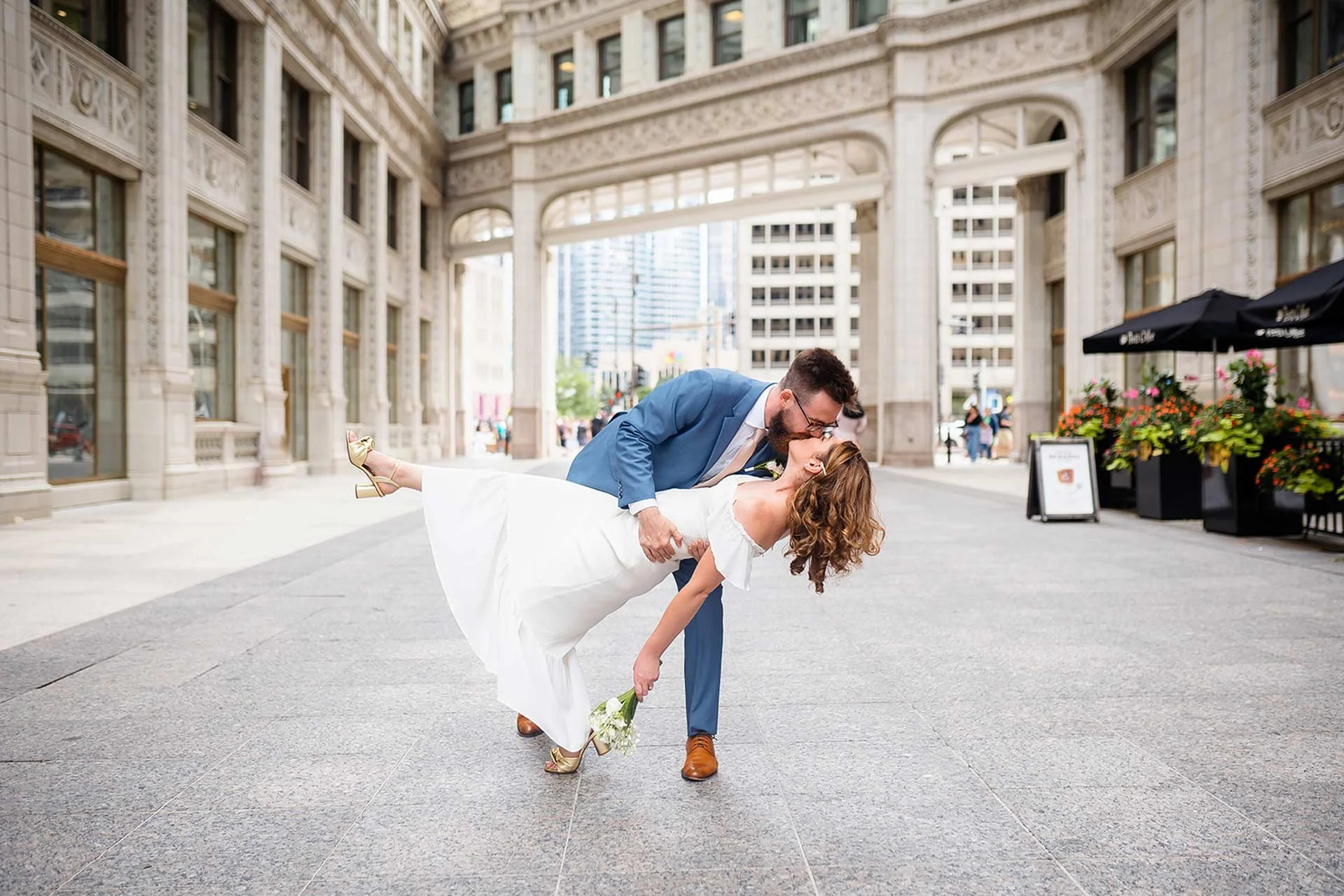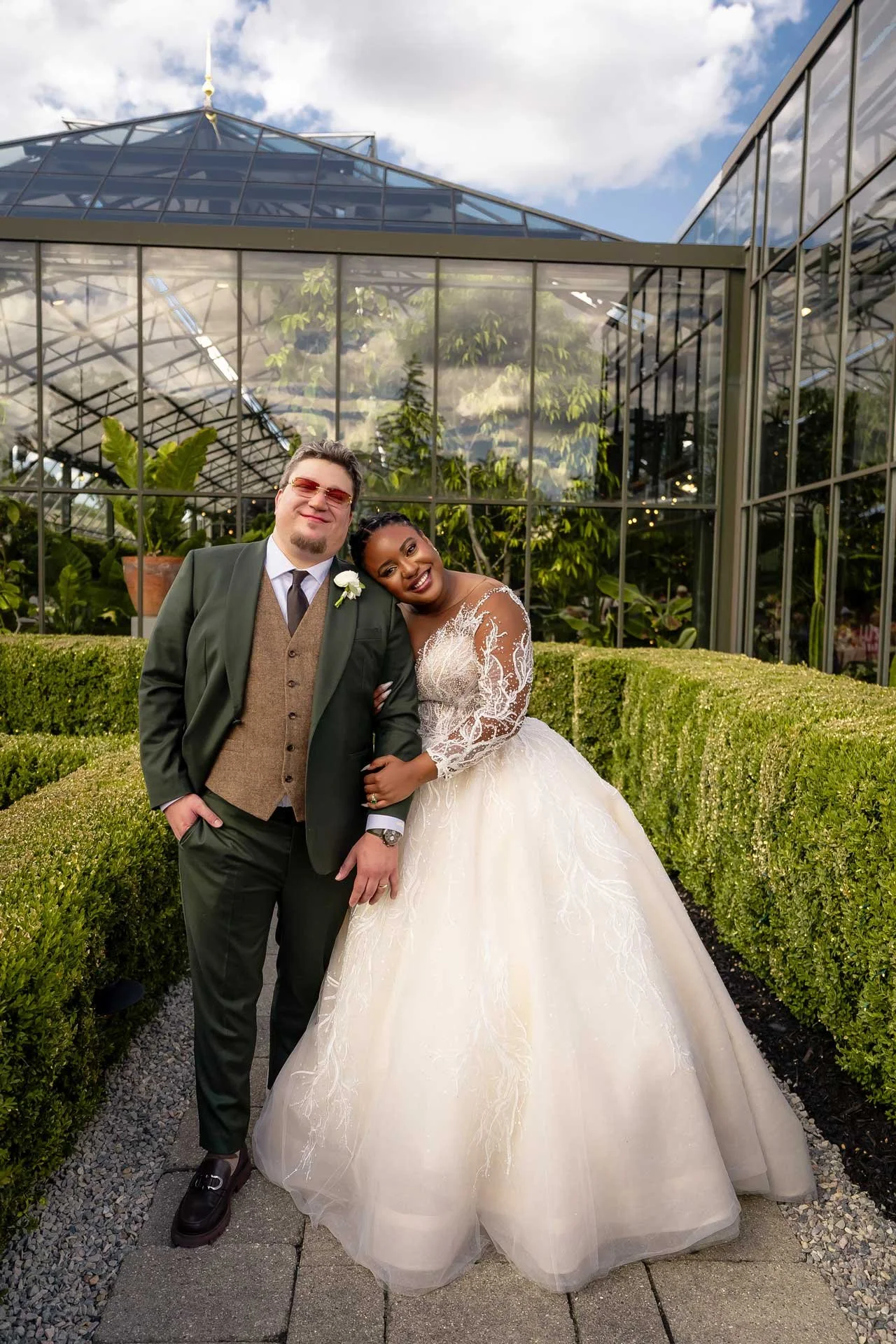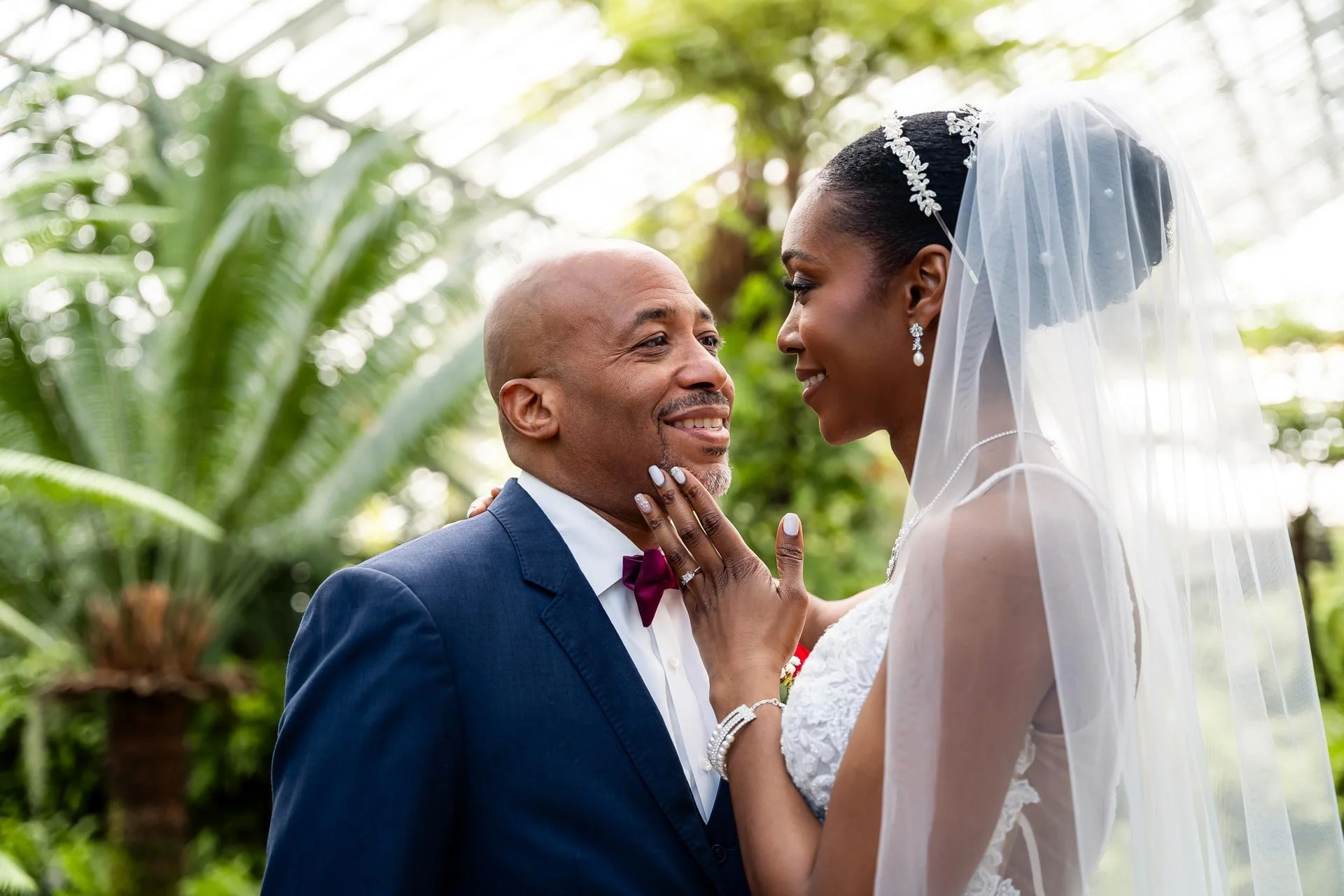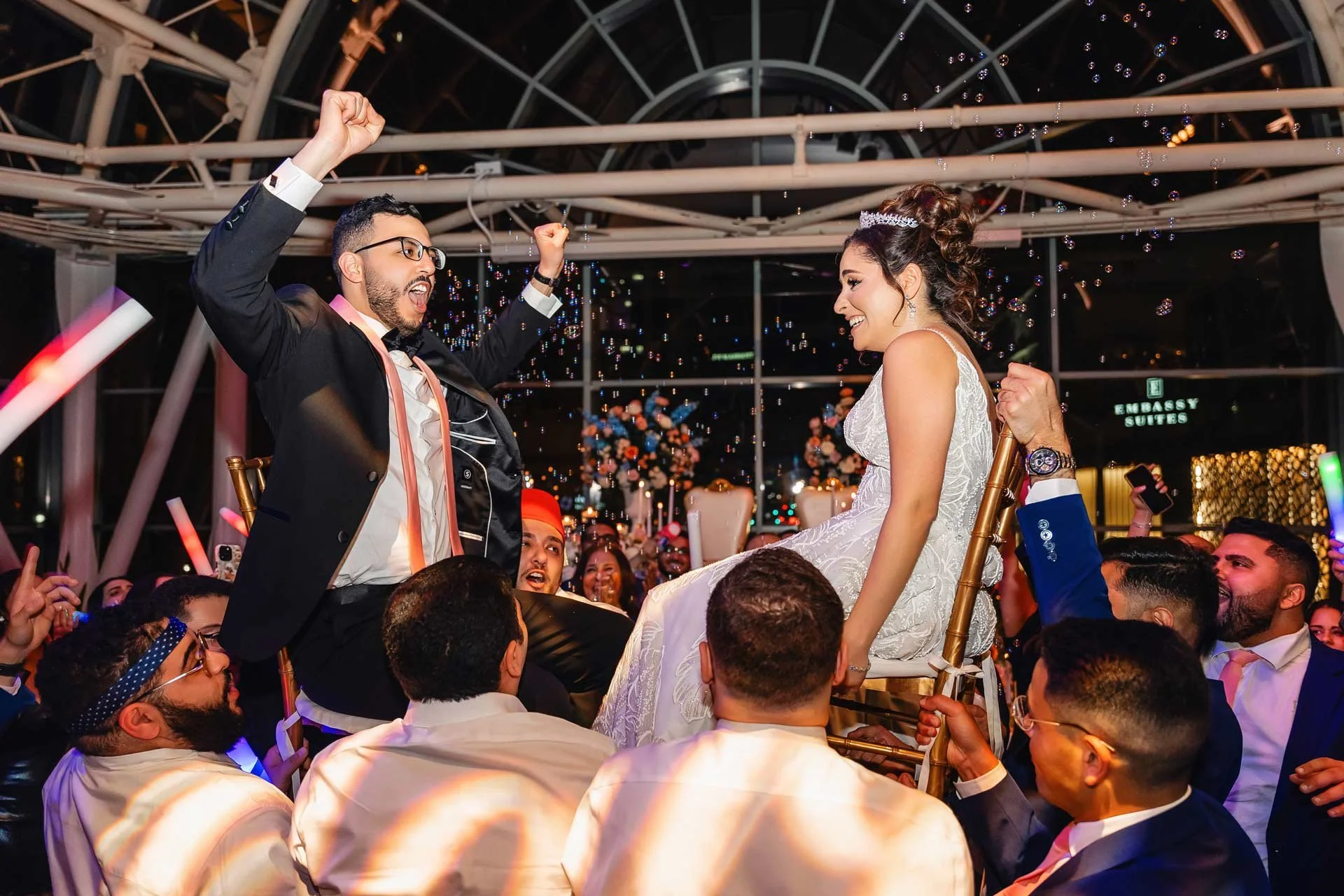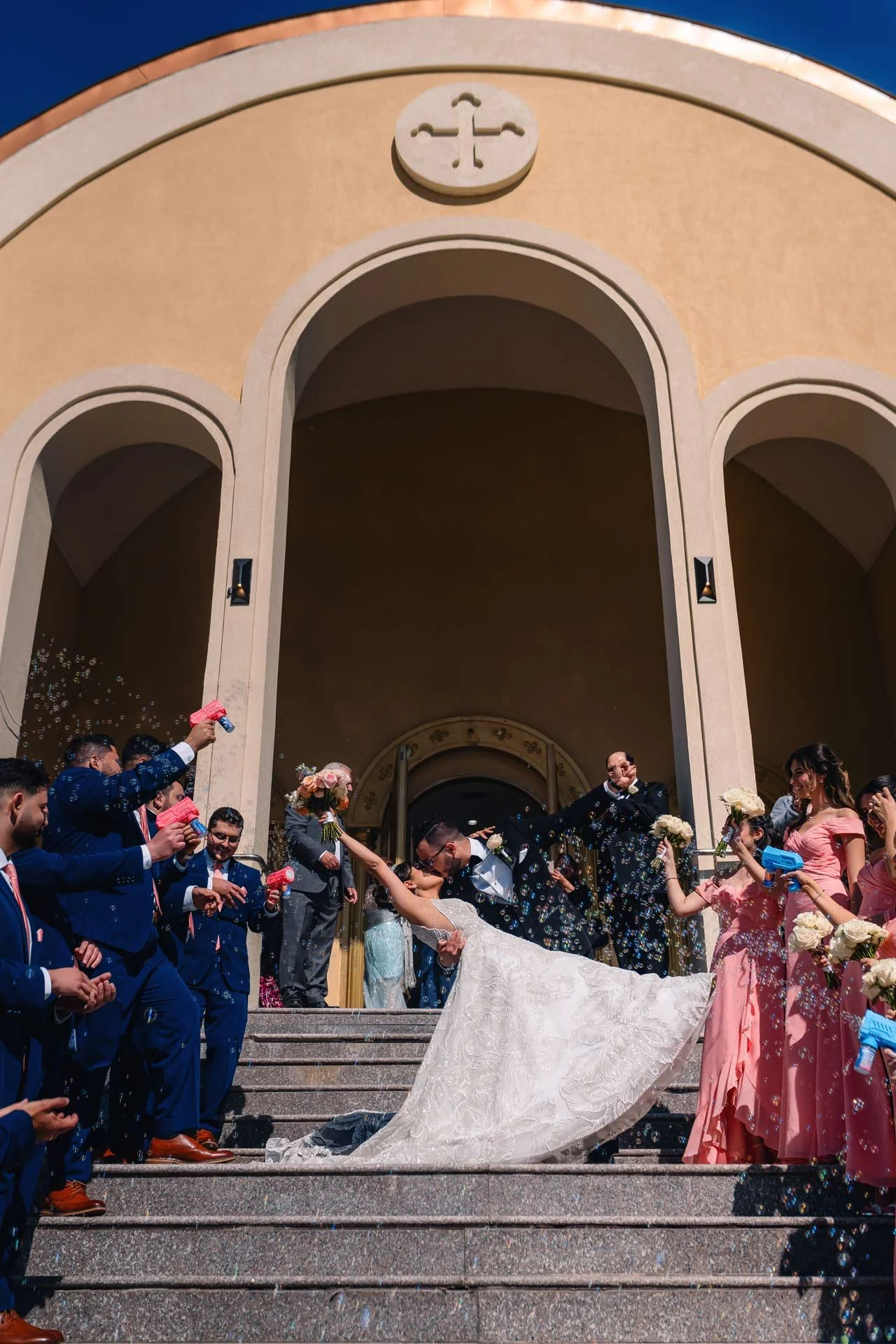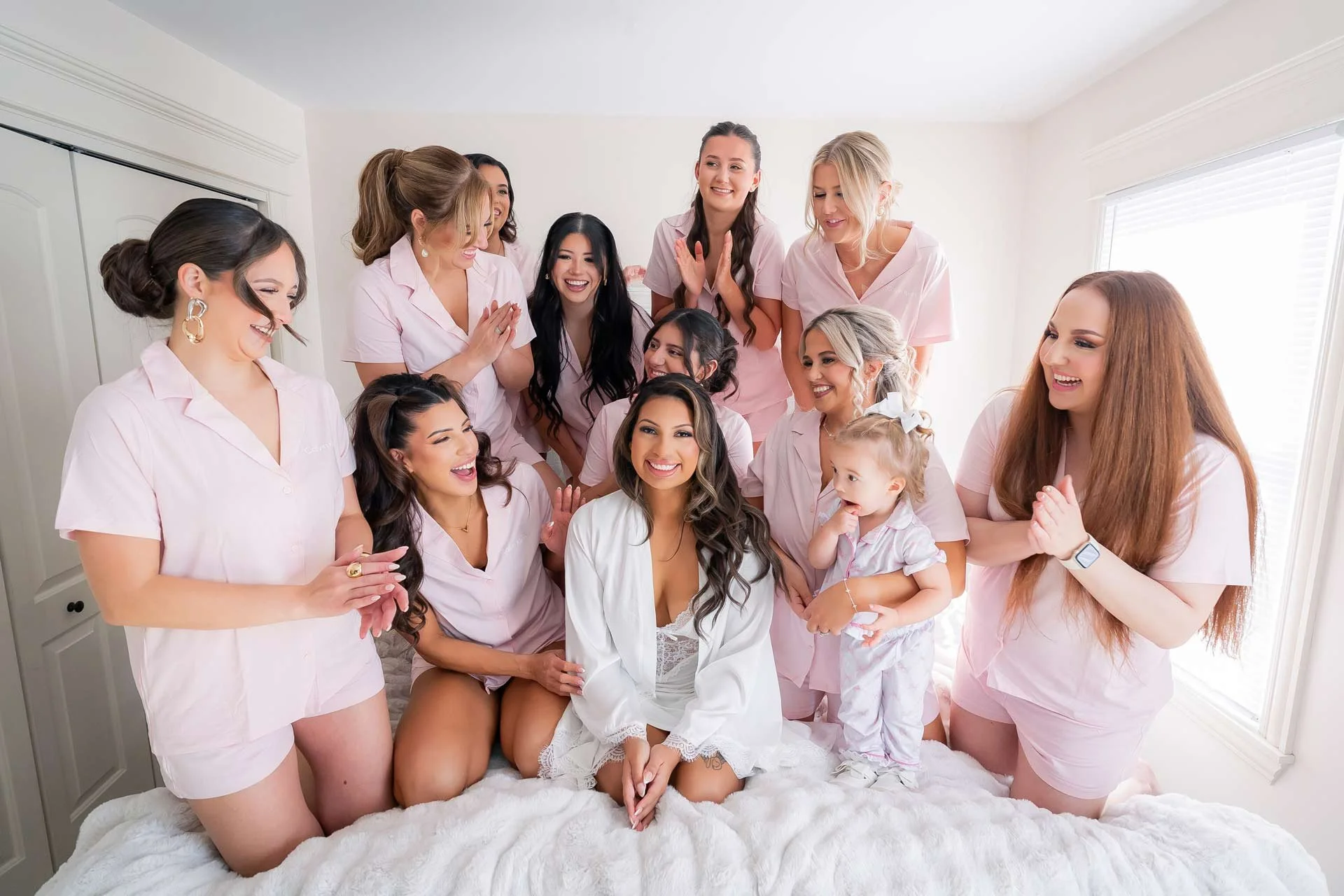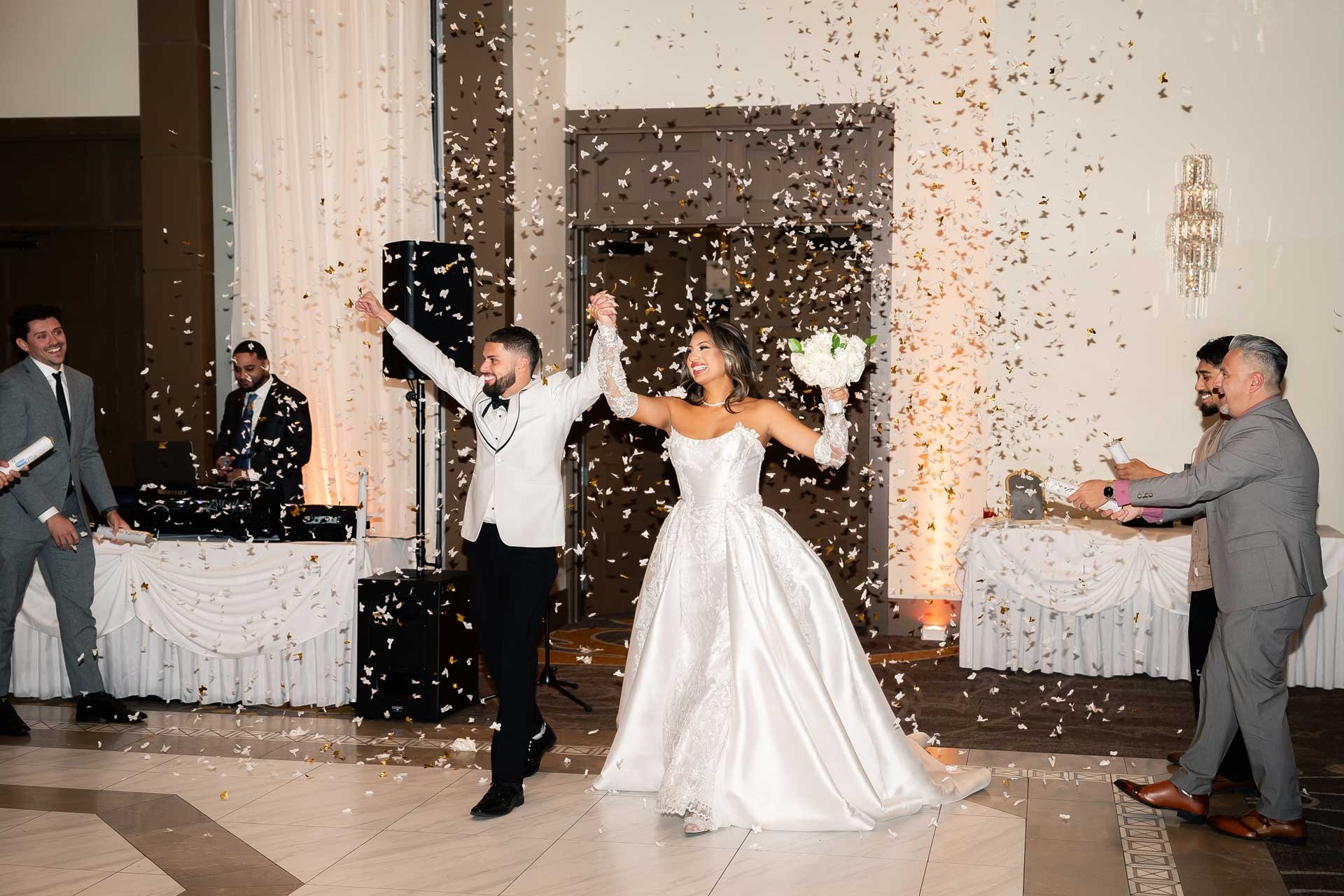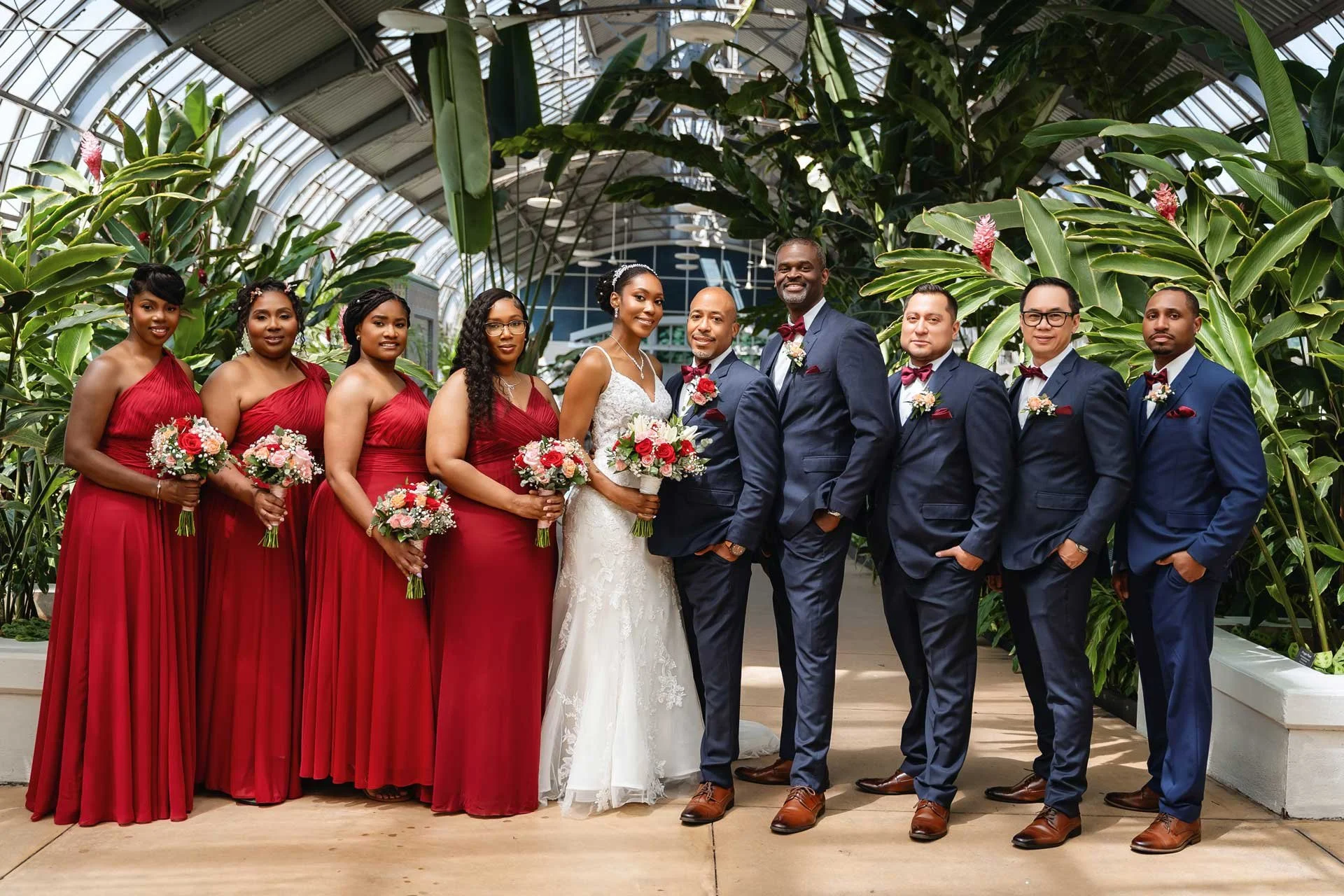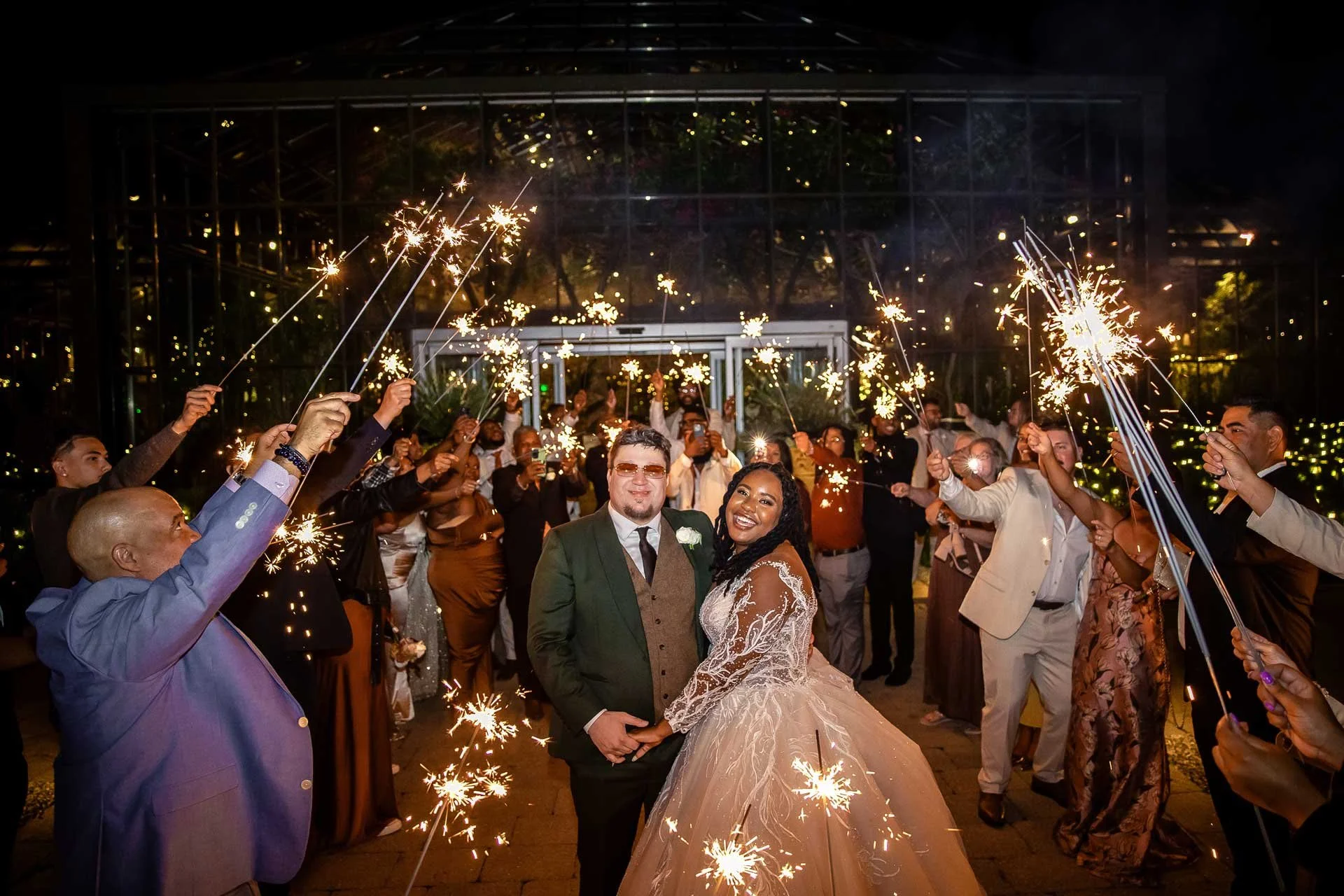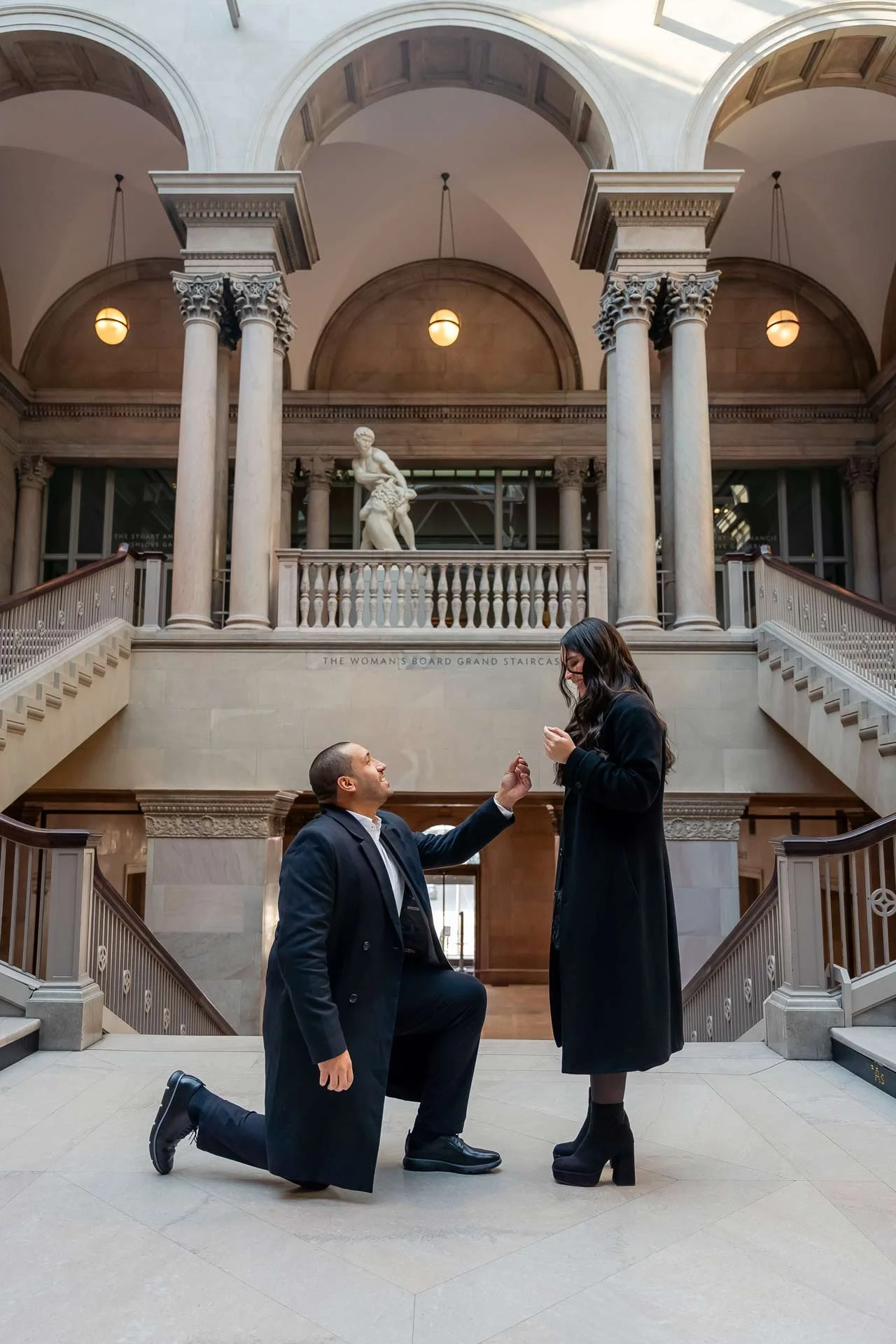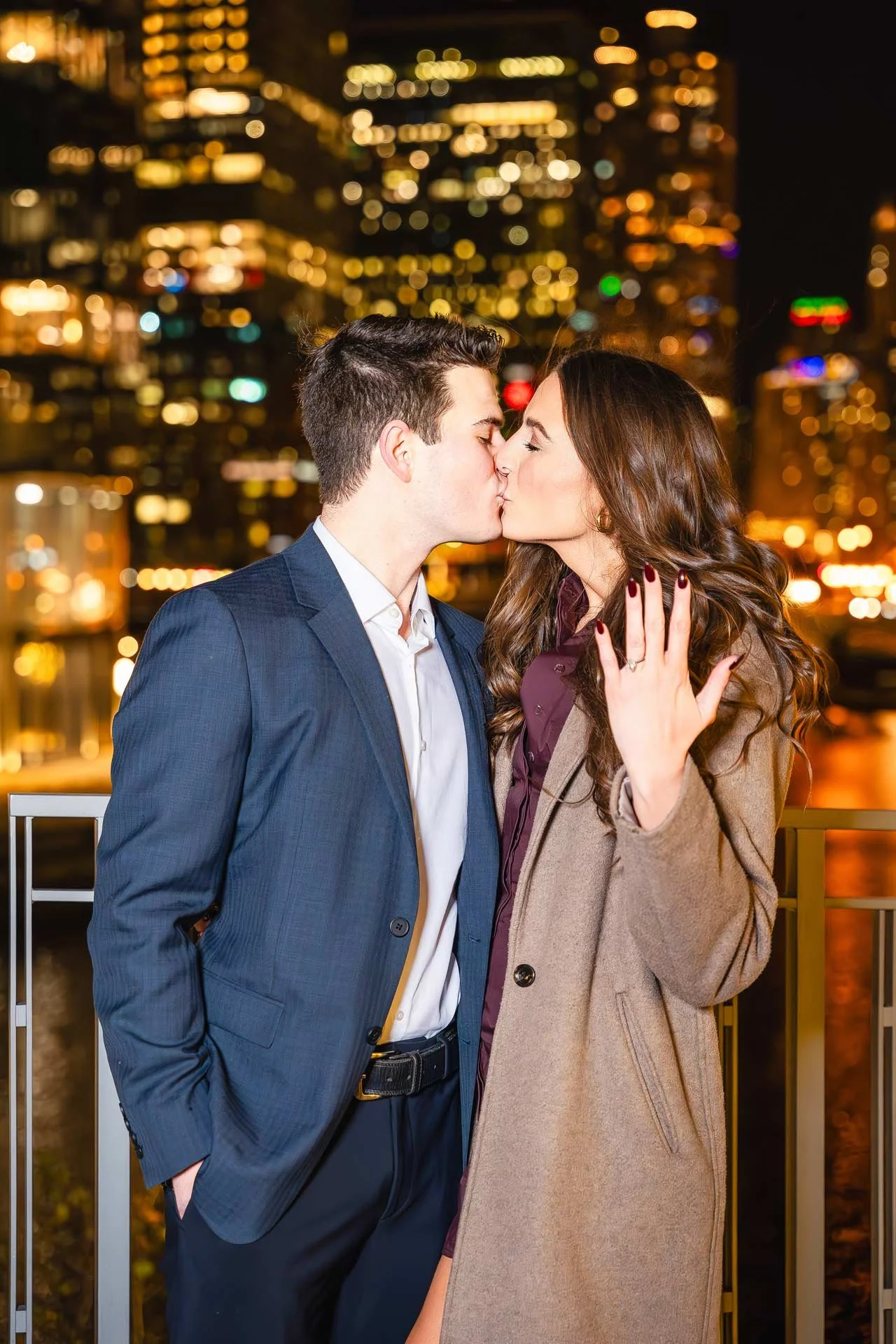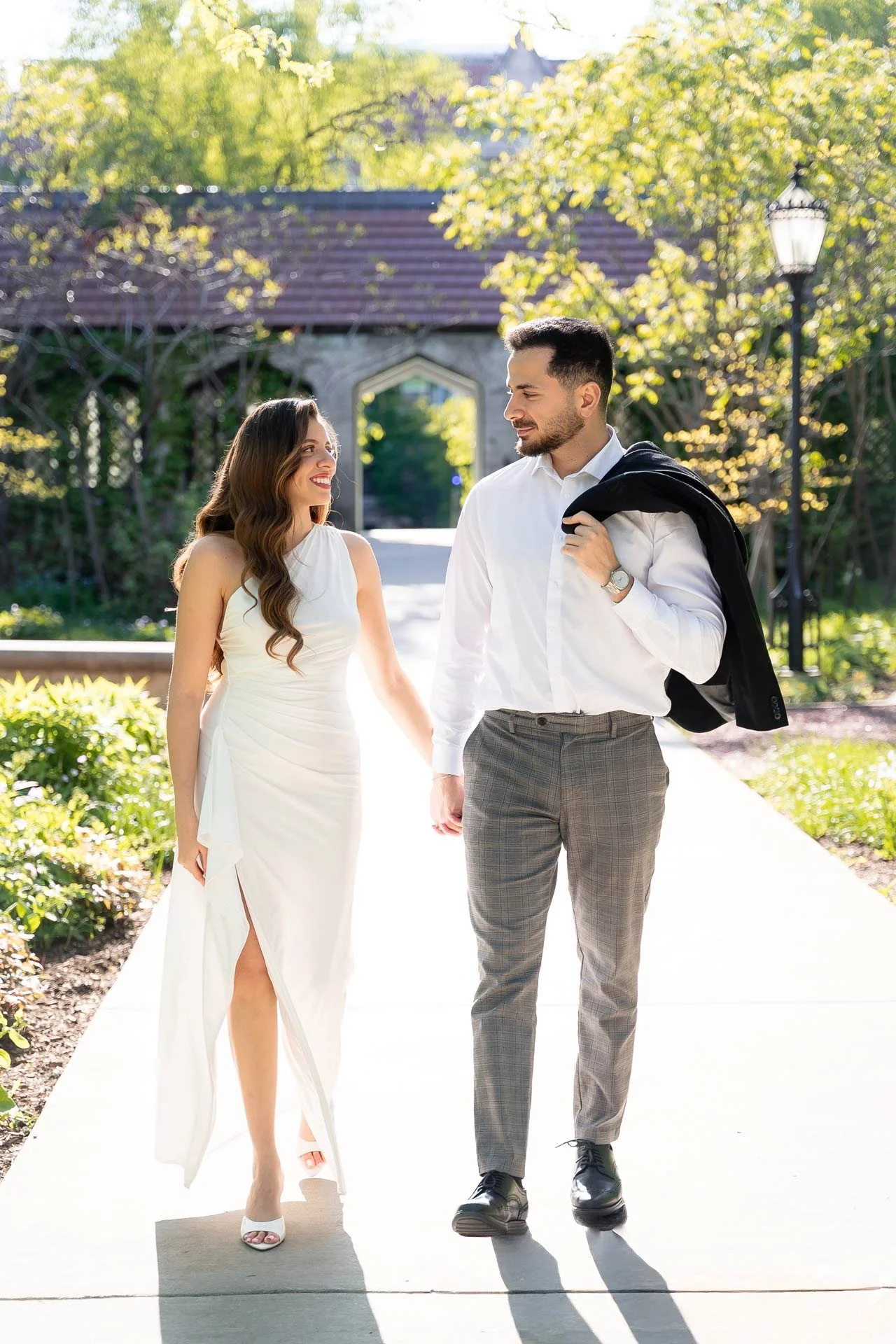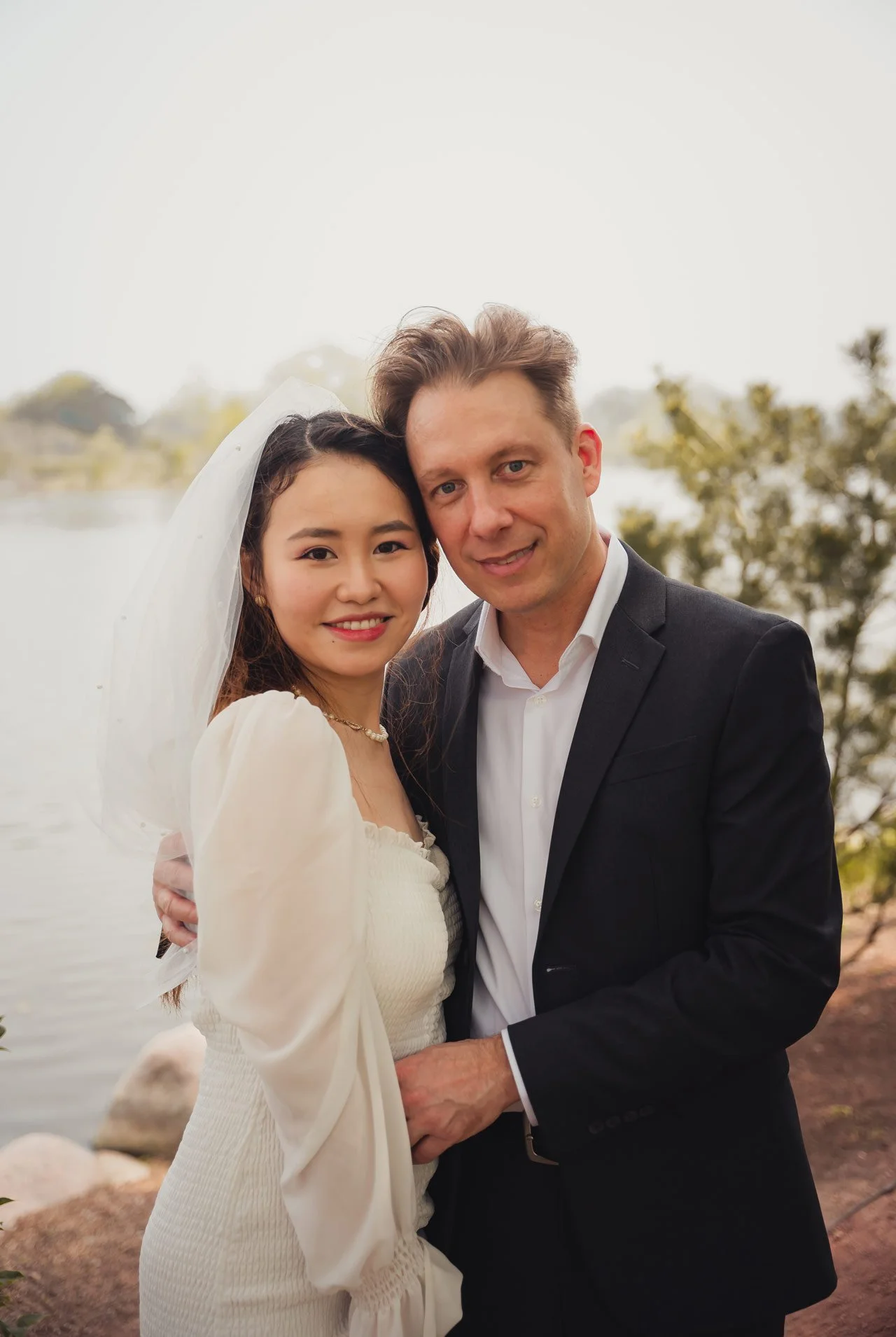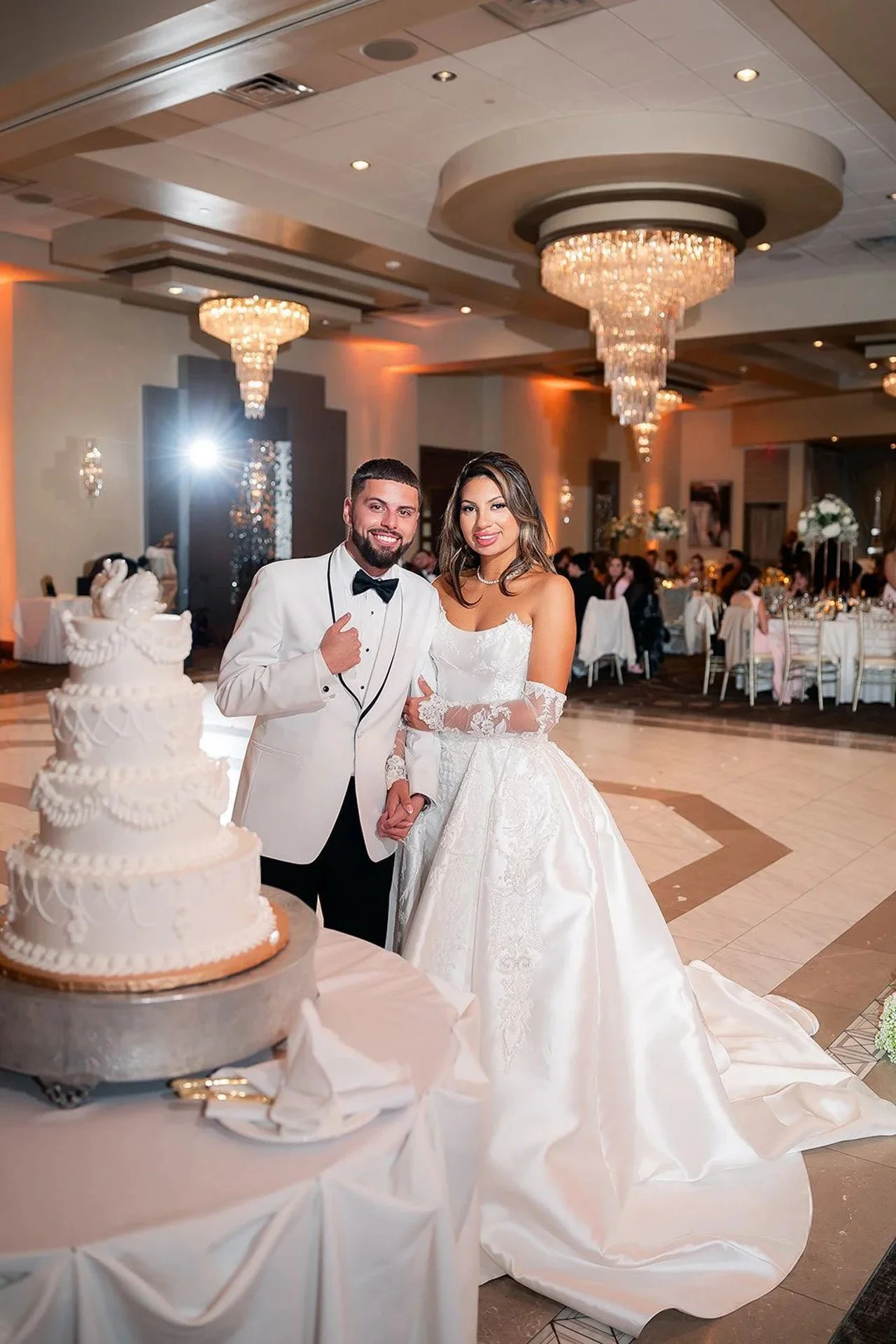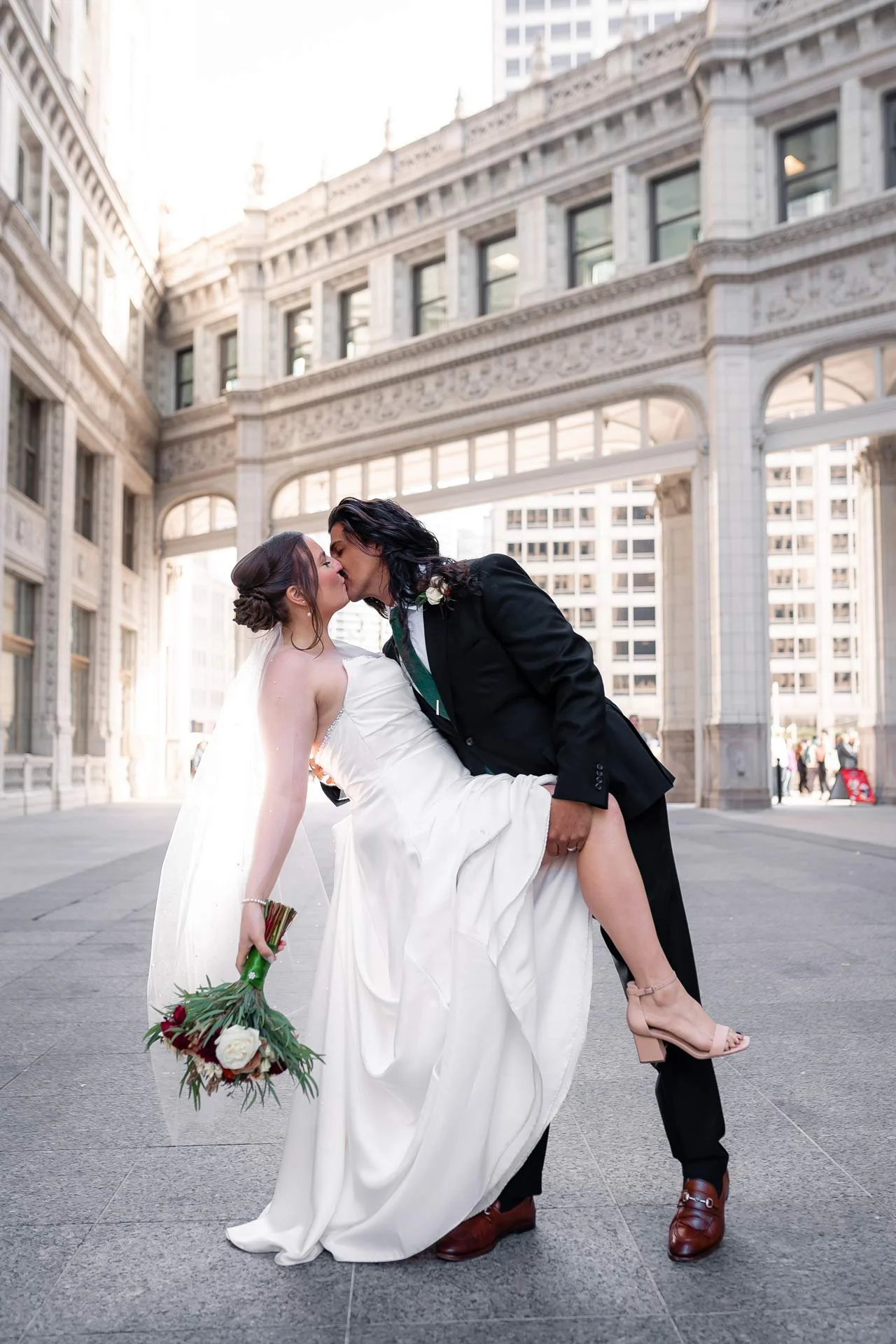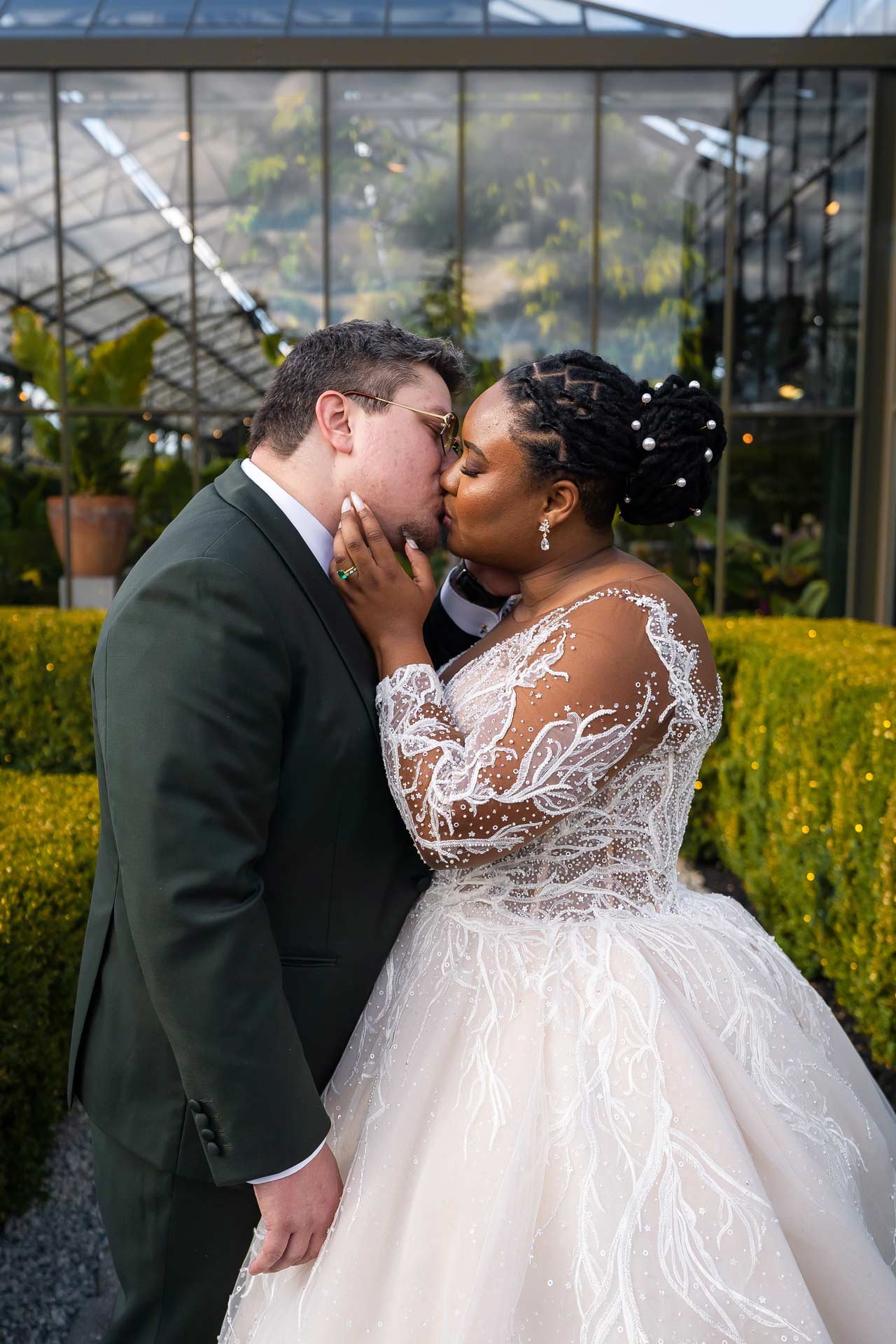
Planning a wedding in Chicago can be super exciting and even overwhelming. The city gives you incredible backdrops, but it also brings traffic, unpredictable weather, and venues that don’t always run on schedule.
A good wedding day timeline in Chicago isn’t just about keeping things organized, but rather, what makes the day feel calm instead of rushed. It’s the difference between actually enjoying moments and feeling like you’re constantly catching up.
Start With Your Ceremony Time (Then Work Backward)
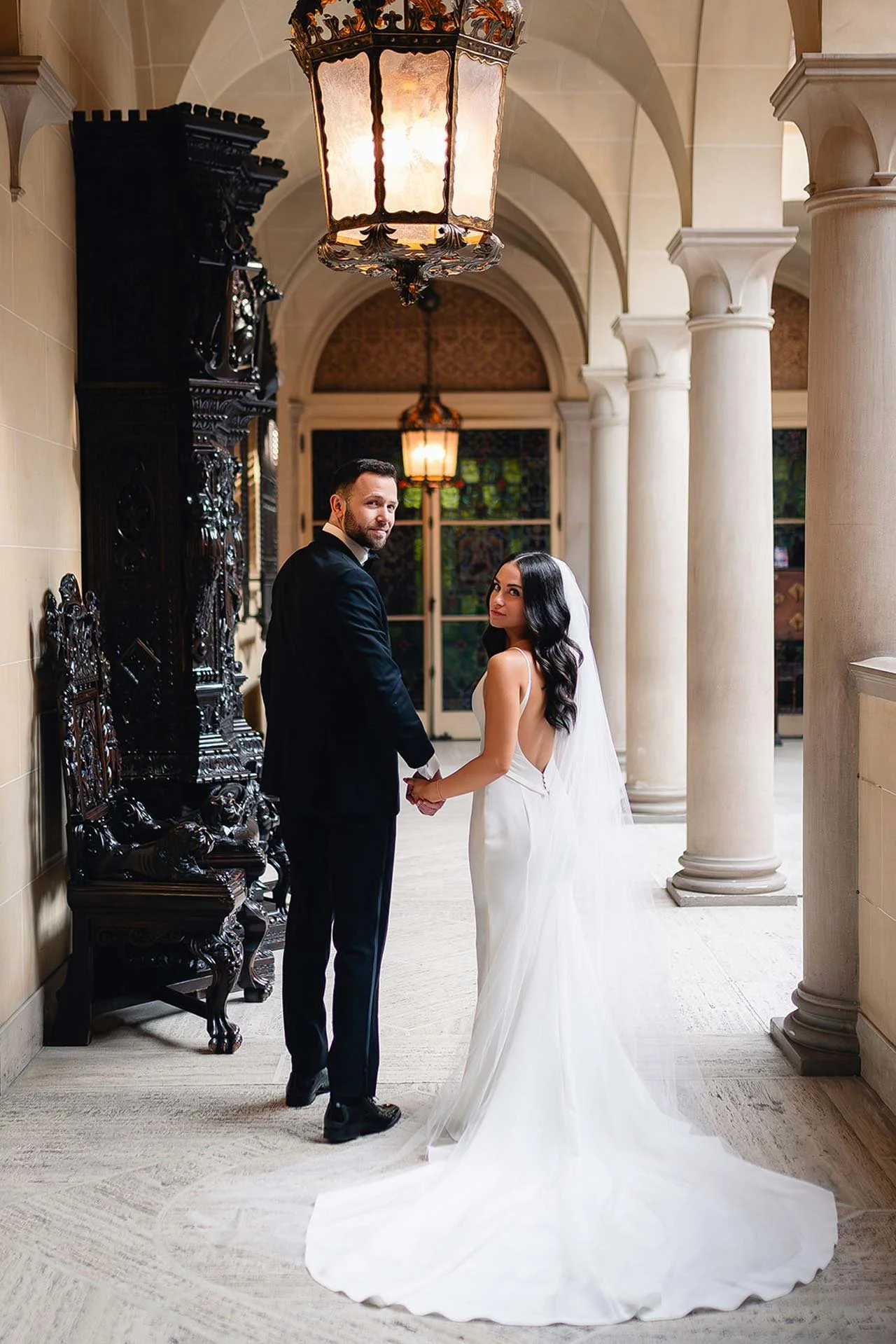
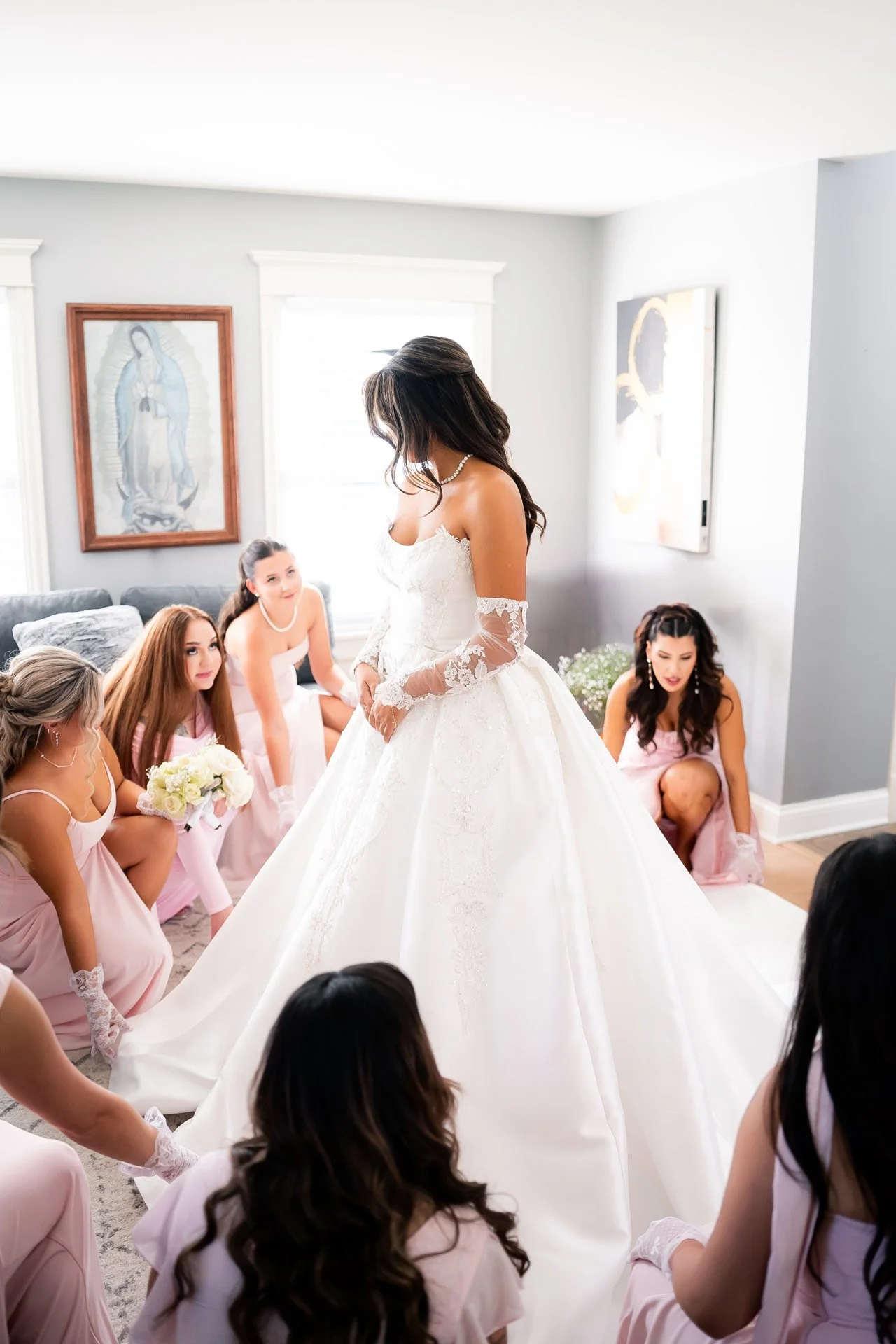
Everything revolves around your ceremony. Once that’s locked in, the rest of your timeline can be built around it.
In Chicago, ceremony times often depend on venue rules or lighting. If you’re getting married in a church, you’ll likely have a fixed time. If it’s a hotel or outdoor space, you’ll have more flexibility, but light and weather becomes a factor.
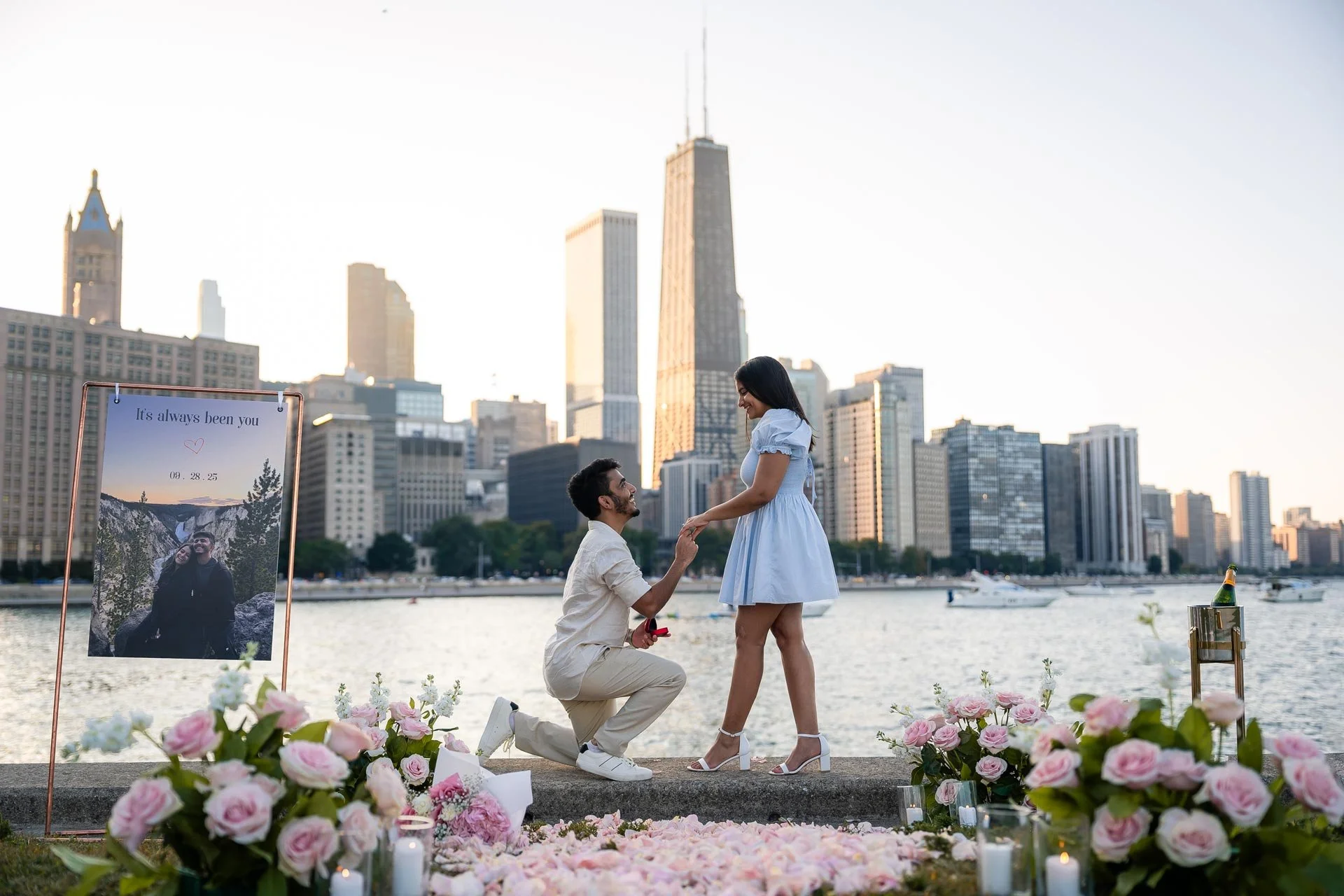
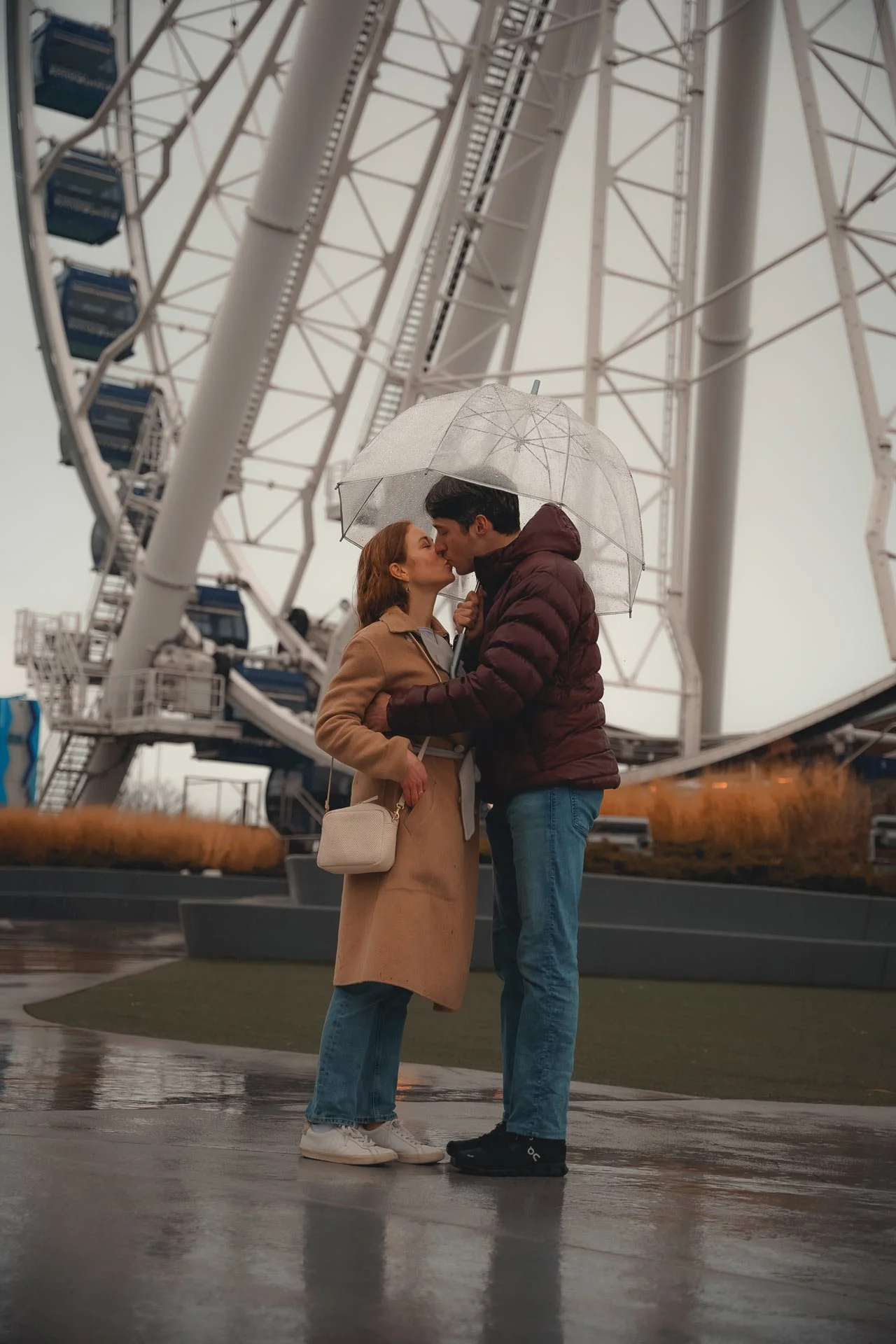
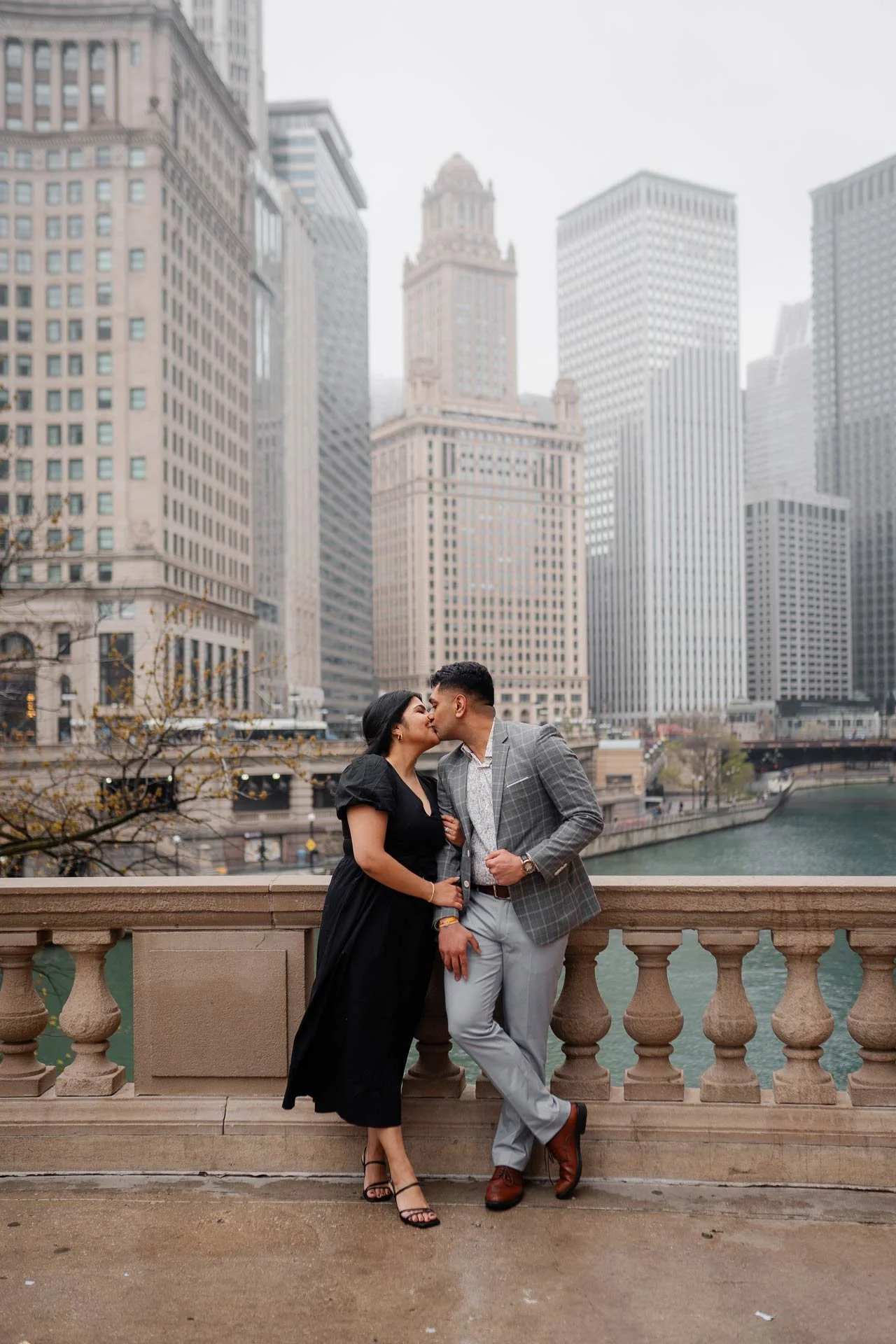
If you’re planning photos outdoors, especially skyline or lakefront shots, you need to think about sunset. Chicago's light changes quickly, especially in fall and winter. Missing that window by even 30 minutes can completely change how your photos look, so make sure you check out the sunset timing for your dates.
A lot of couples underestimate this part. They assume there’s “plenty of time later,” but once the day starts moving, that time disappears fast.

Should You Do a First Look? How It Affects Your Wedding Timeline
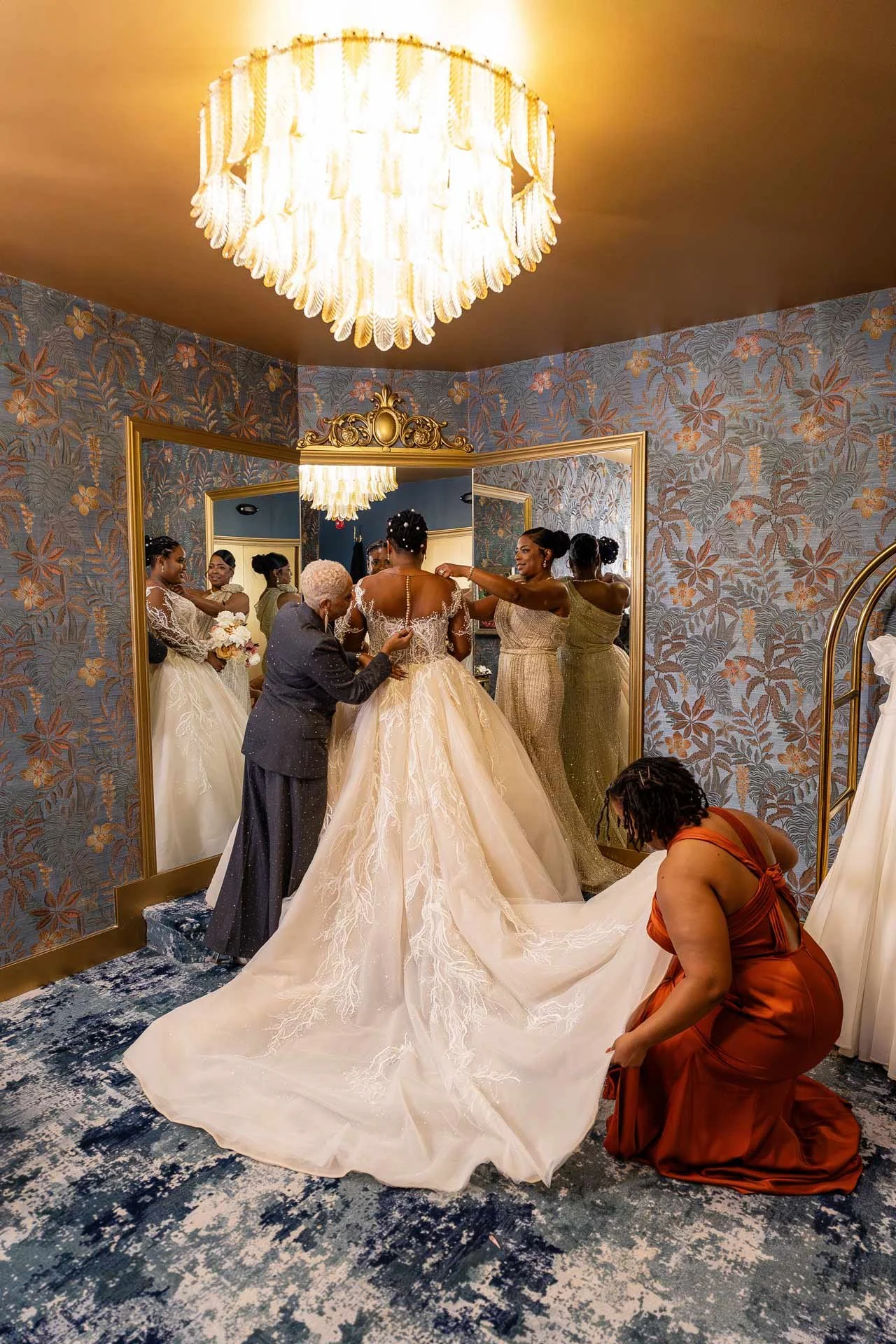
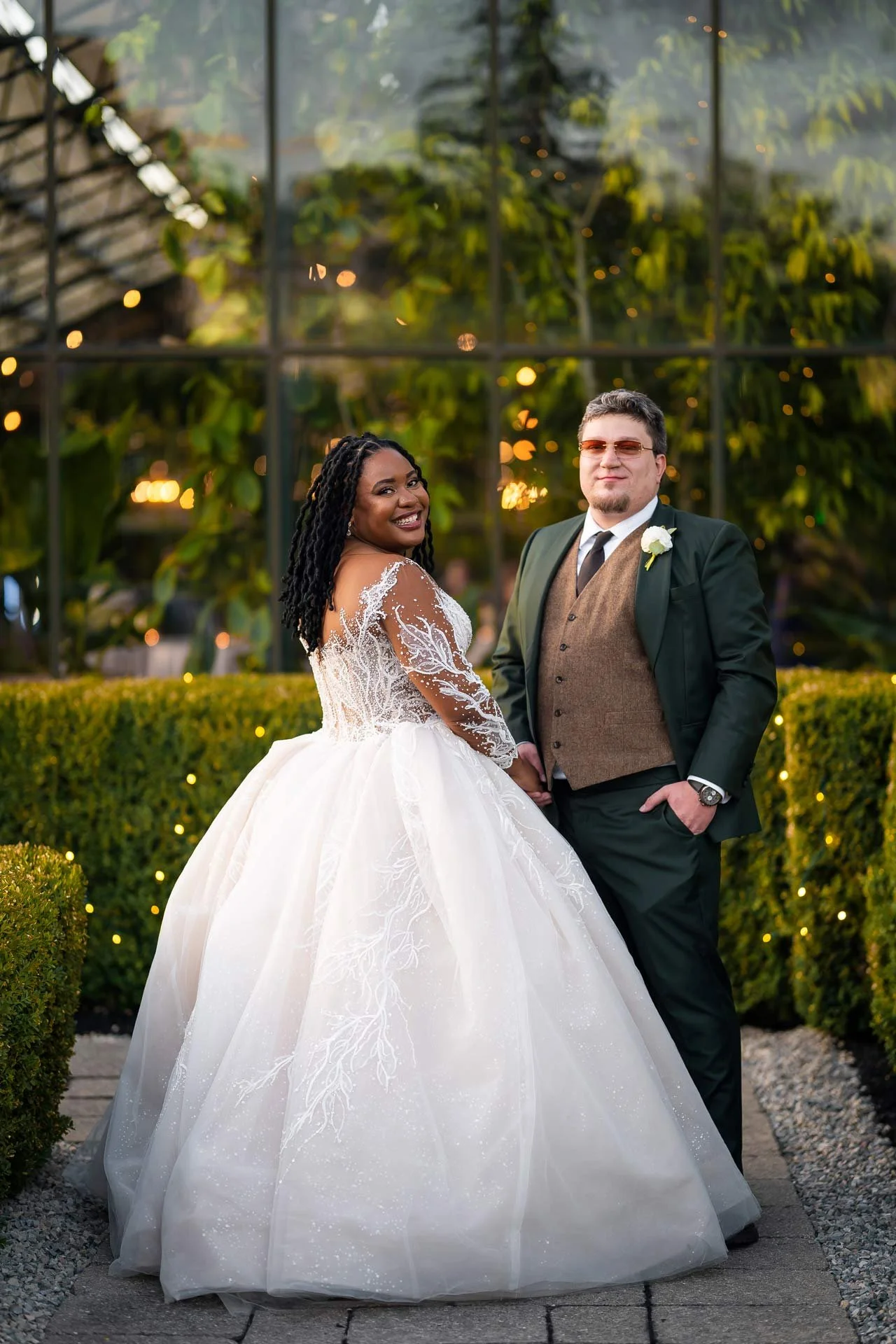
This is one of the biggest decisions that affects your wedding day timeline in Chicago.
If you do a first look, you can get most of your photos done before the ceremony. That means:
More relaxed portraits
More time with your guests later
Less pressure after the ceremony
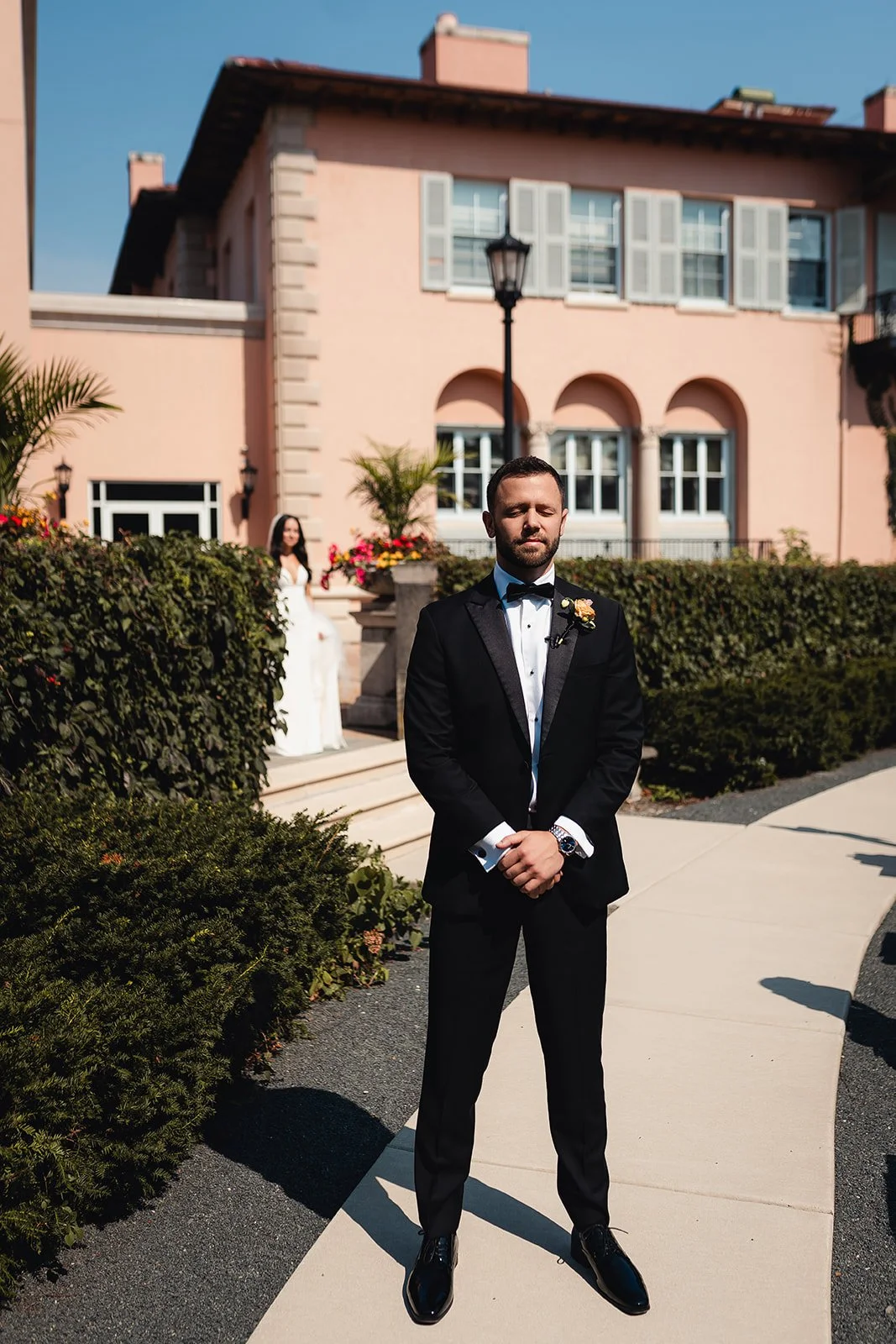
If you don’t do a first look, everything gets pushed after the ceremony:
Family photos
Wedding party photos
Couple portraits
That window gets tight, especially if you’re also trying to make it to cocktail hour or catch sunset.
Some couples skip a first look and then feel rushed through every photo because we’re chasing sunlight. Some couples do a first look and end up with a full hour to take portraits or enjoy cocktail hour with family and friends. Neither option is wrong, but your first look wedding timeline needs to be a decision you make together as a couple.
You can check out my detailed Chicago Wedding Timeline guide to map out your wedding day timeline depending on if you are having a traditional entrance or a first look.
Buffer Time Matters in a Wedding Day Timeline
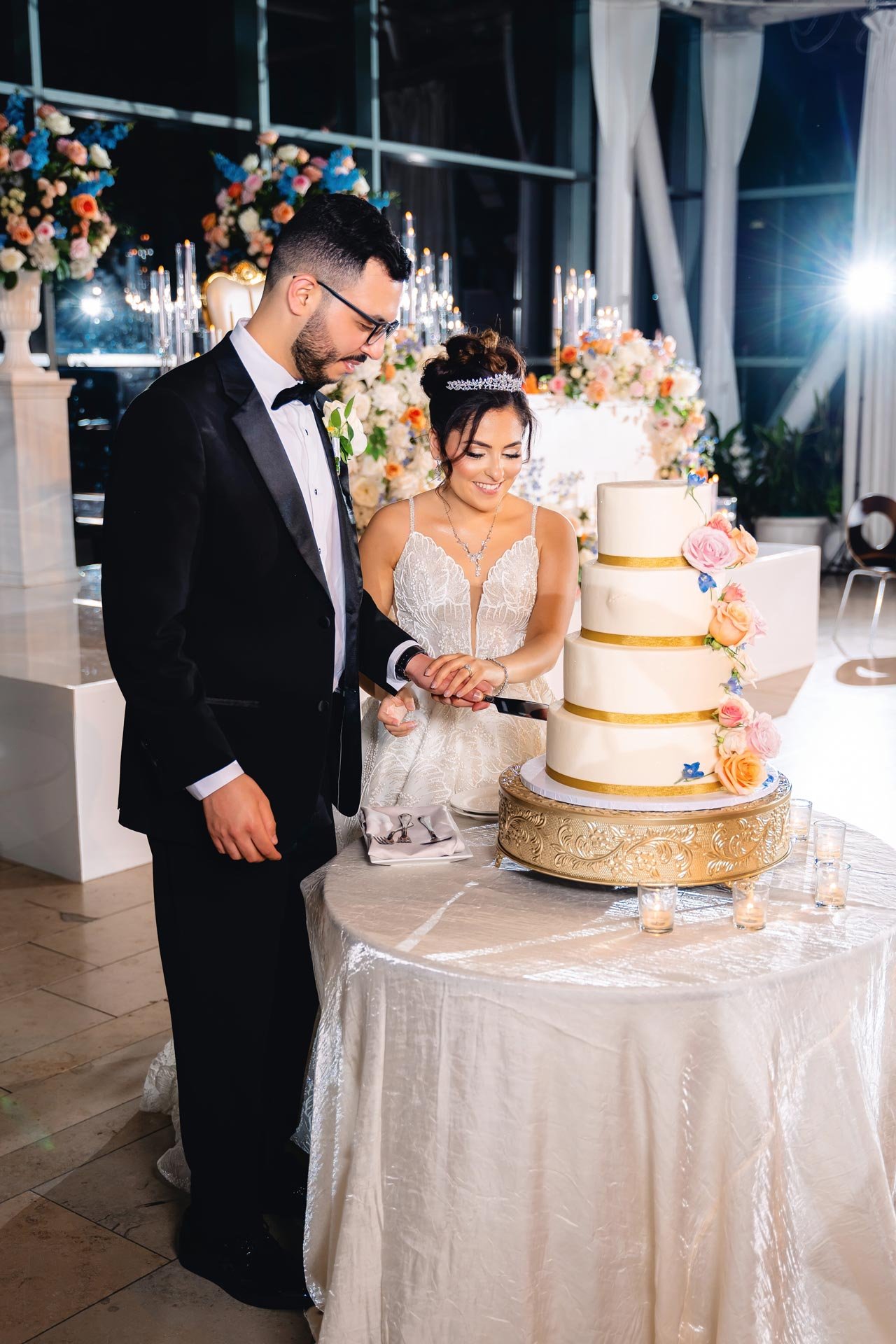
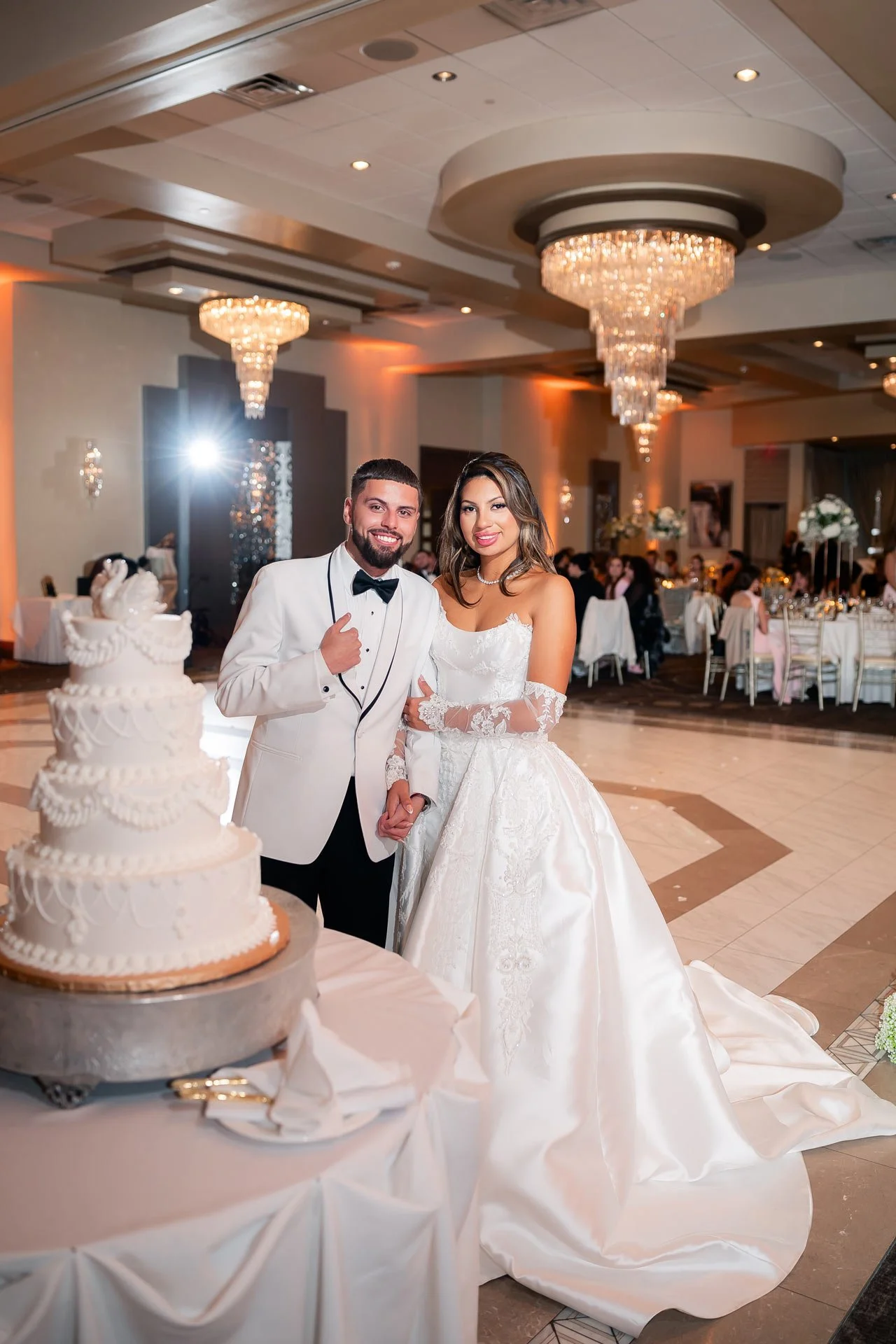
This is where most timelines fall apart.
Hair and makeup run late. Transportation gets delayed. Someone forgets something in a hotel room. Chicago traffic is busy.
If your timeline is tight on paper, it will feel stressful in real life.
A good rule is to add buffer time to everything when setting out your wedding day timeline in Chicago:
15 extra minutes for getting ready
20 extra minutes for travel between locations
Extra time for family photos (they always take longer than expected)
I've had weddings where everything was planned perfectly, but usually there are a few unexpected delays and that is why extra buffer time is so important.
Planning Travel Time for a Chicago WeddinG
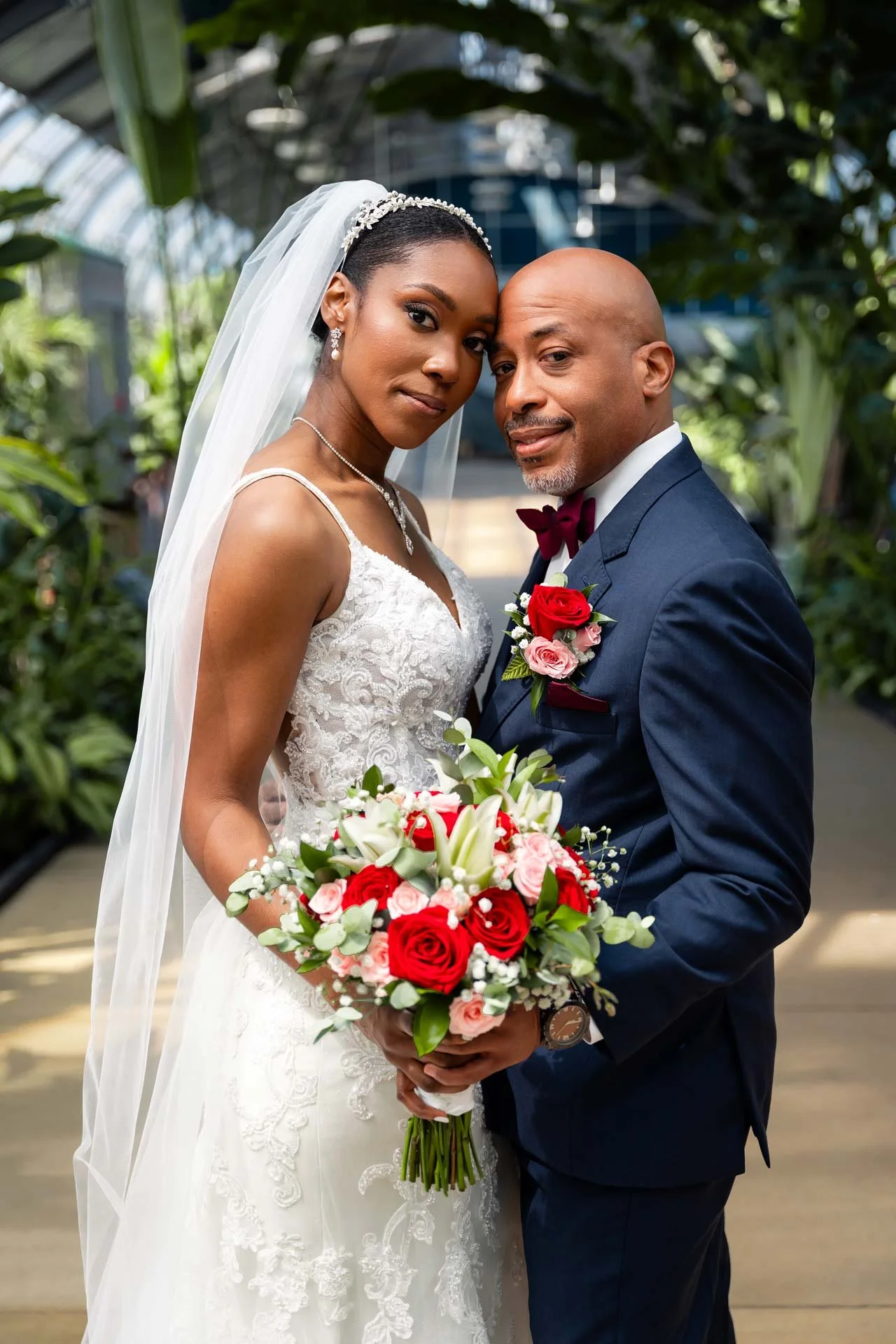
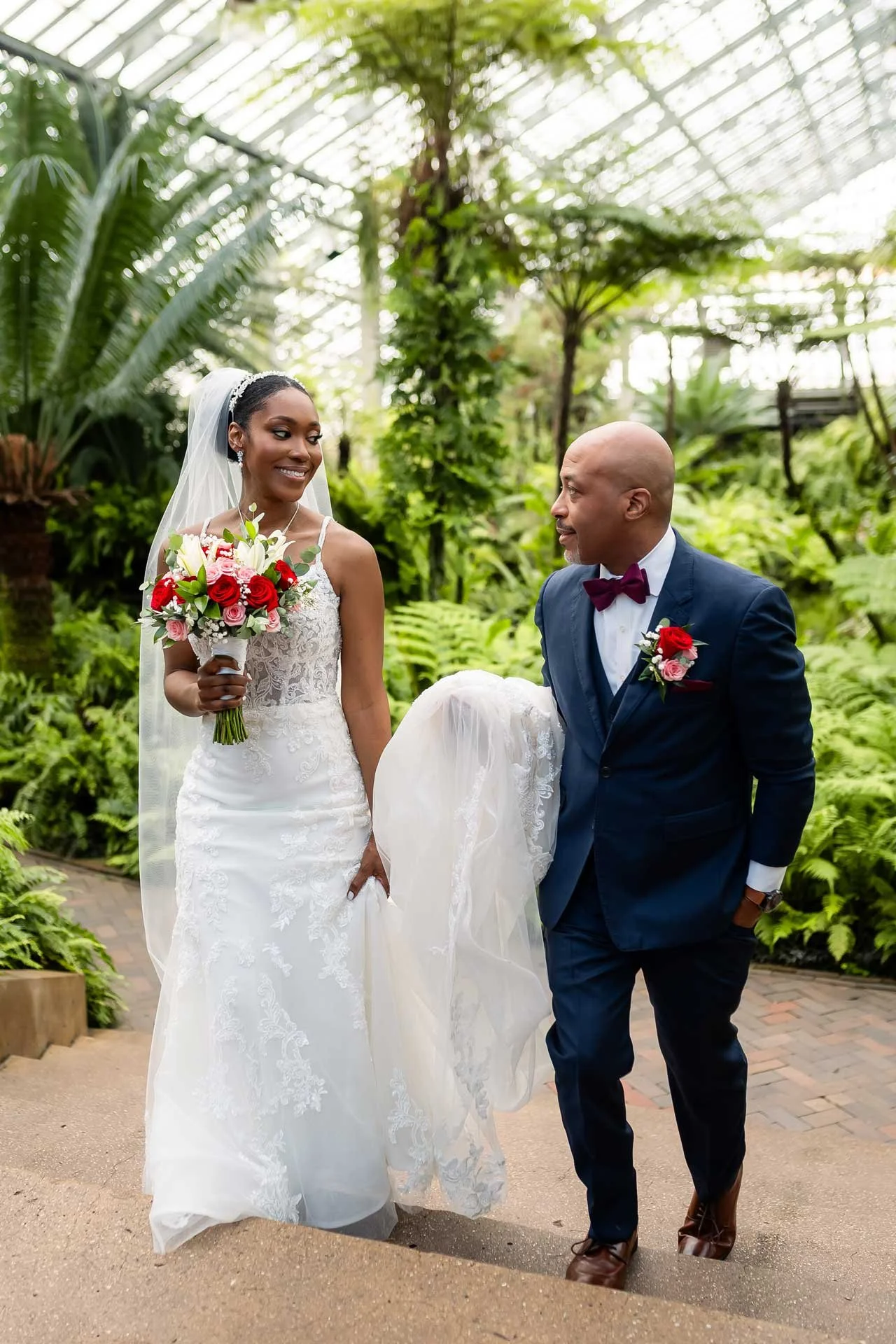
In Chicago, a 10-minute drive can easily turn into 20 minutes depending on traffic or road blockages.
If your wedding day timeline in Chicago includes multiple locations, such as getting ready at one hotel, ceremony at another venue, and photos somewhere downtown, you need to account for:
Traffic
Parking
Loading & unloading time
Crowds (especially on weekends)
It’s usually better to limit location changes if you can to 2-3 total locations for the day. The more you move around, the more likely for delays.
How Much Time Do You Need for Wedding Photos in Chicago?
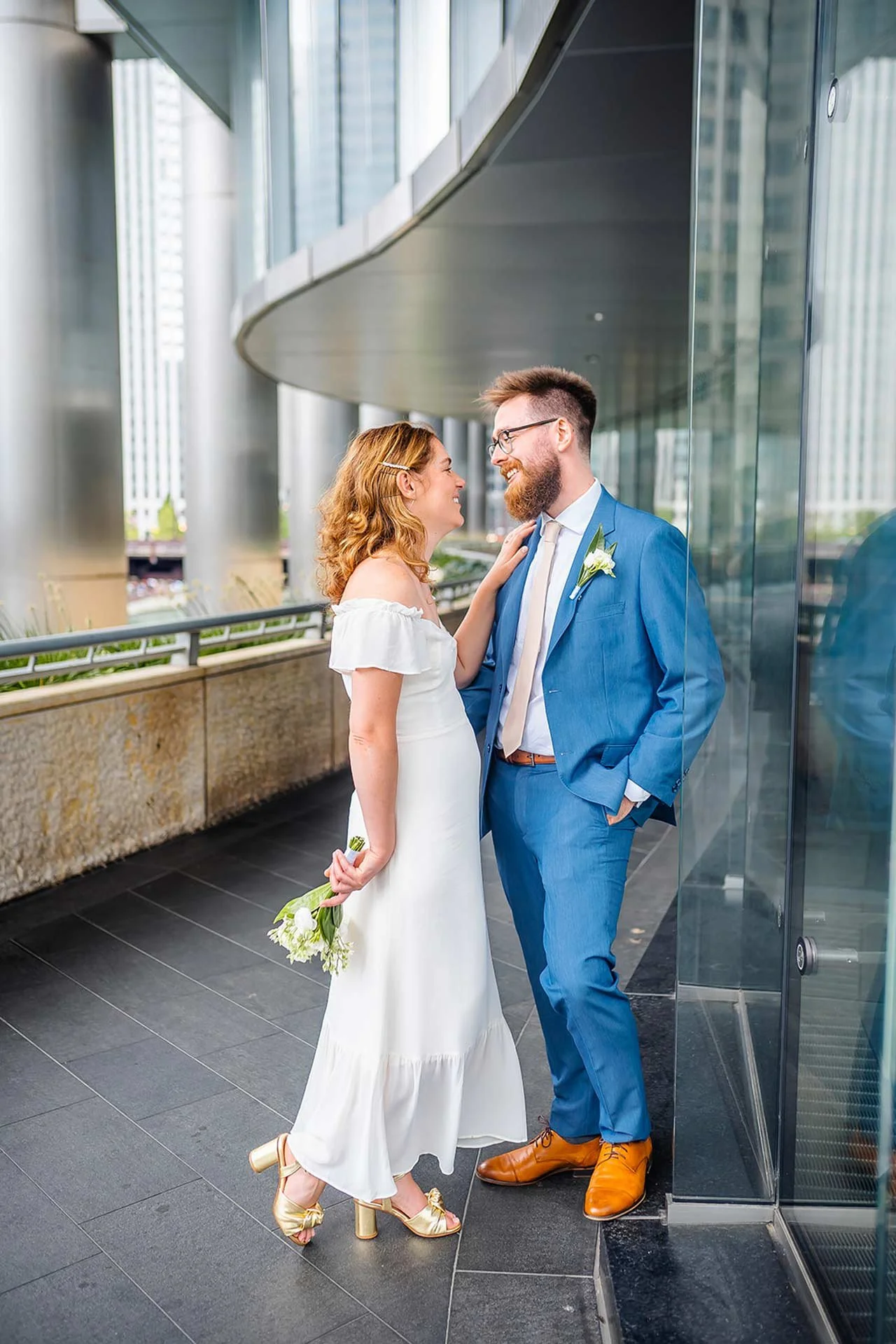
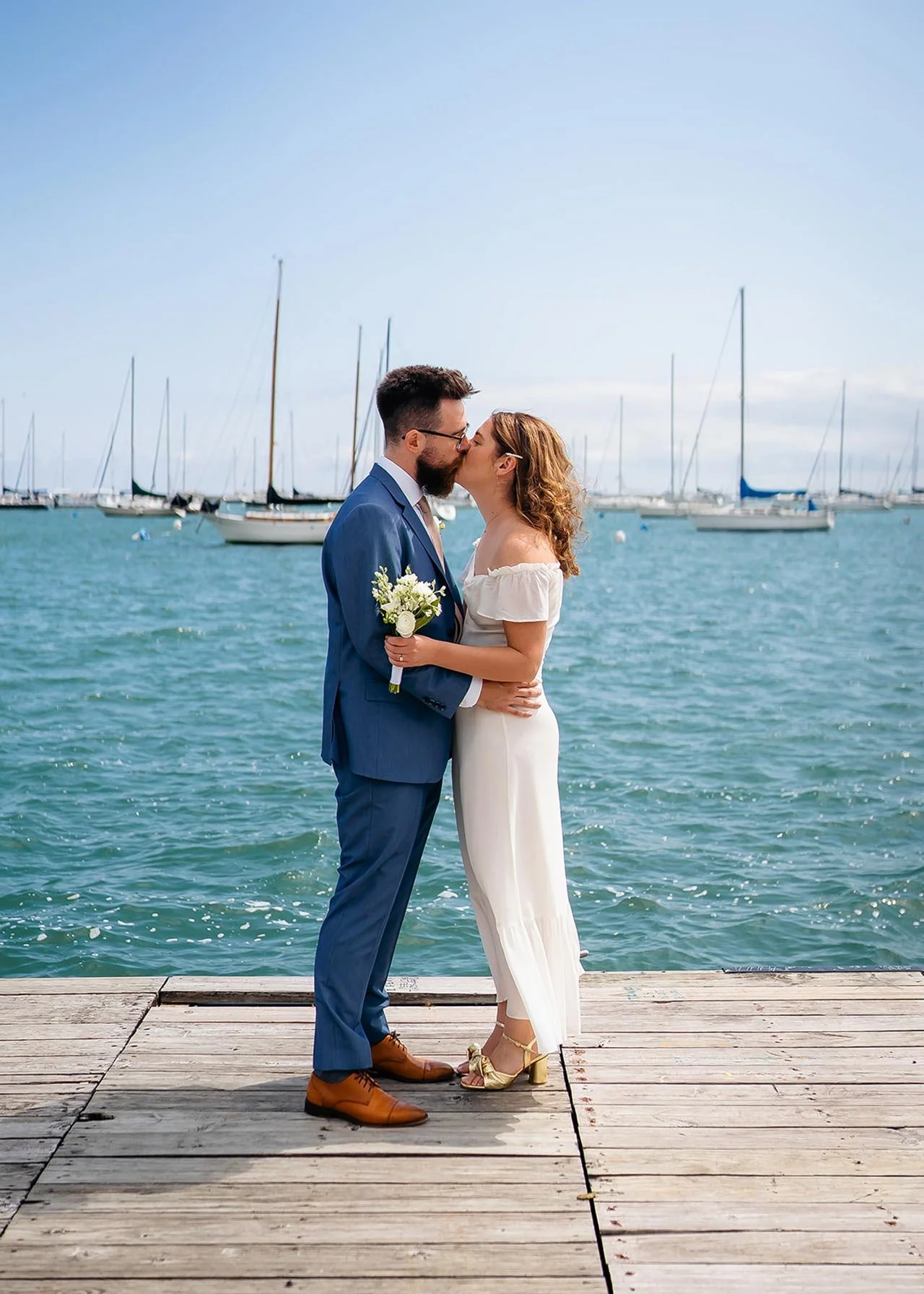
Many wedding timelines for photos suggest quick 10–15 minute portrait slots. That’s rarely enough if you want photos that don’t feel rushed.
Here’s a more realistic breakdown:
Couple portraits: 30–45 minutes
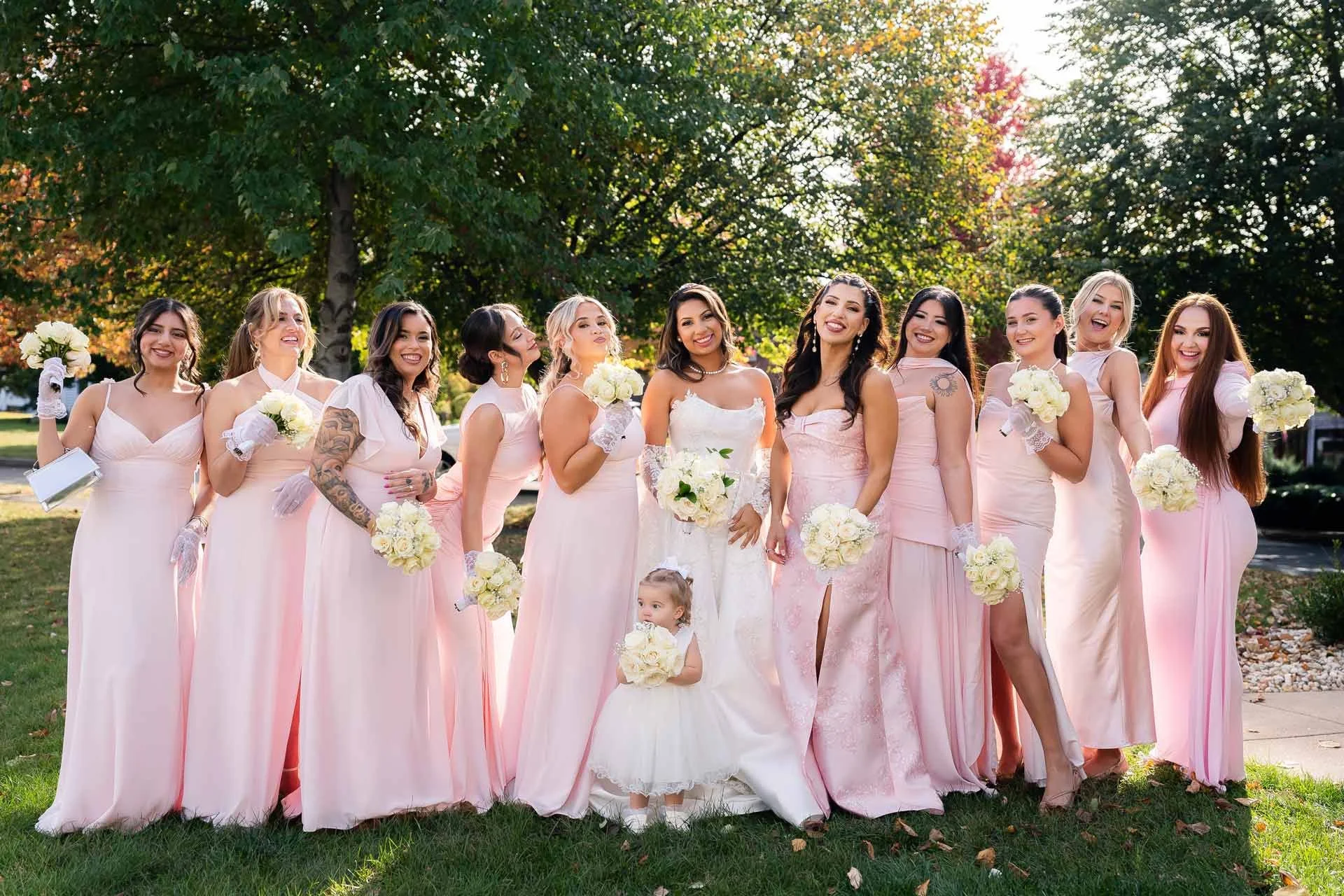
Wedding party photos: 30 minutes
Family photos: 30 minutes
If you’re doing multiple locations (such as a skyline spot like Lincoln Park and the Chicago Riverwalk), you’ll need even more time. So, having a photographer who helps plan for multiple locations with you can make a big difference.
How Lighting Impacts Your Wedding Day Timeline in Chicago
Lighting can make or break certain parts of your day. So, when you’re figuring out how to plan a wedding timeline, keep these things in mind:
Midday light is harsh, especially in summer
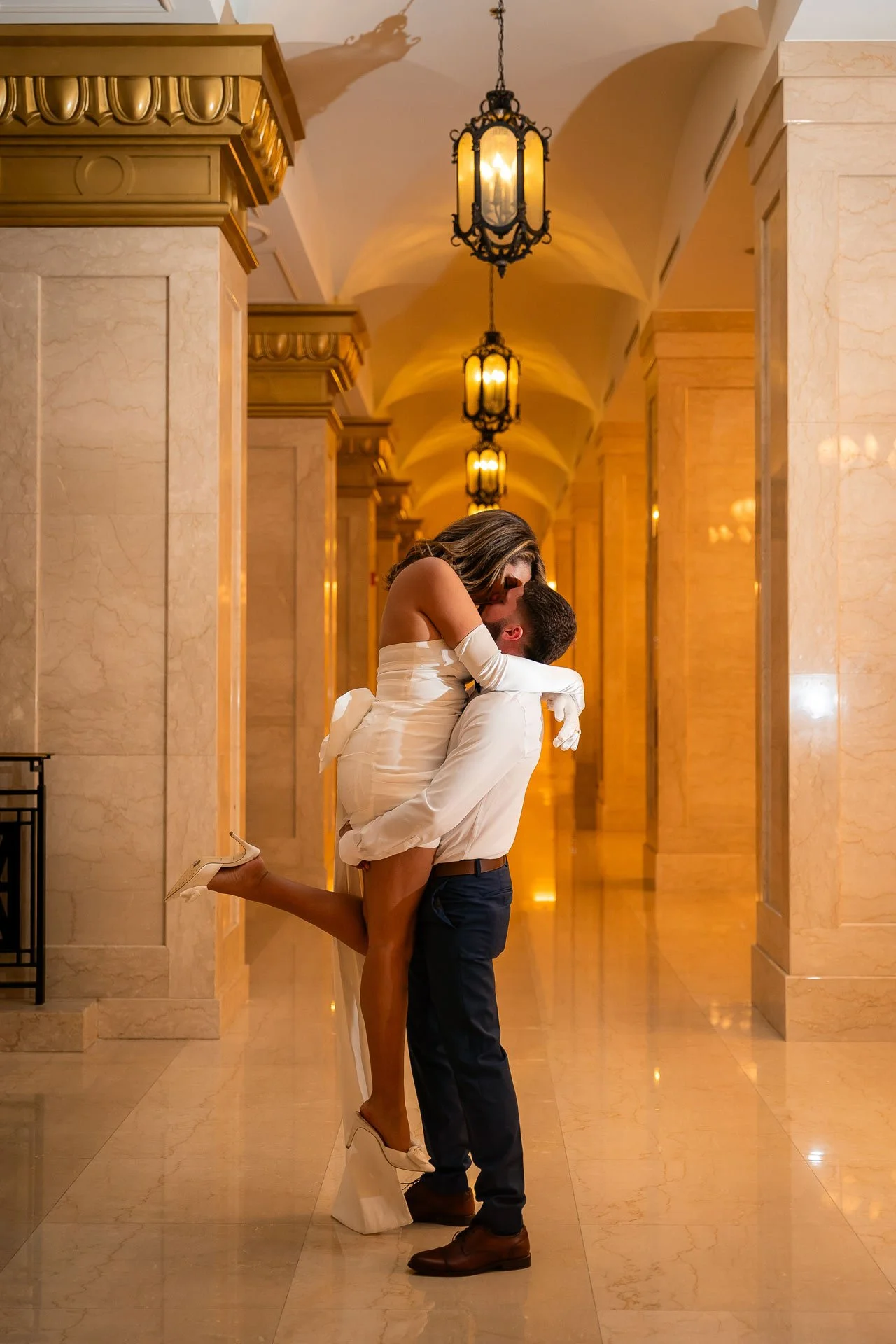
Golden hour (right before sunset) is best for couple portraits
Indoor venues with large windows can give you soft, consistent light in the morning
If your timeline allows, try to schedule:
Couple portraits during golden hour
Getting ready in a space with large windows
Indoor photos in locations with natural light
Create a Wedding Timeline That Flows Naturally
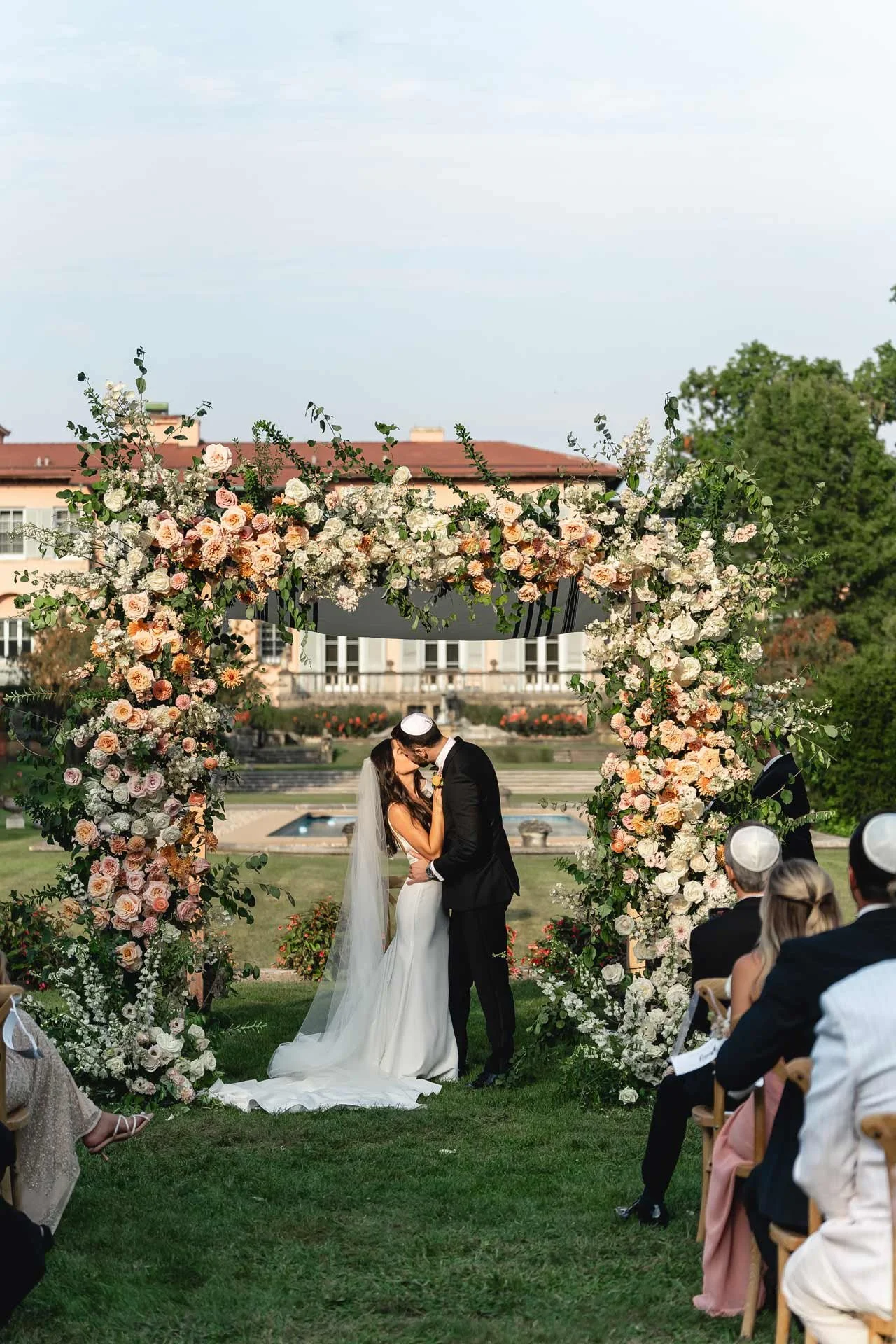
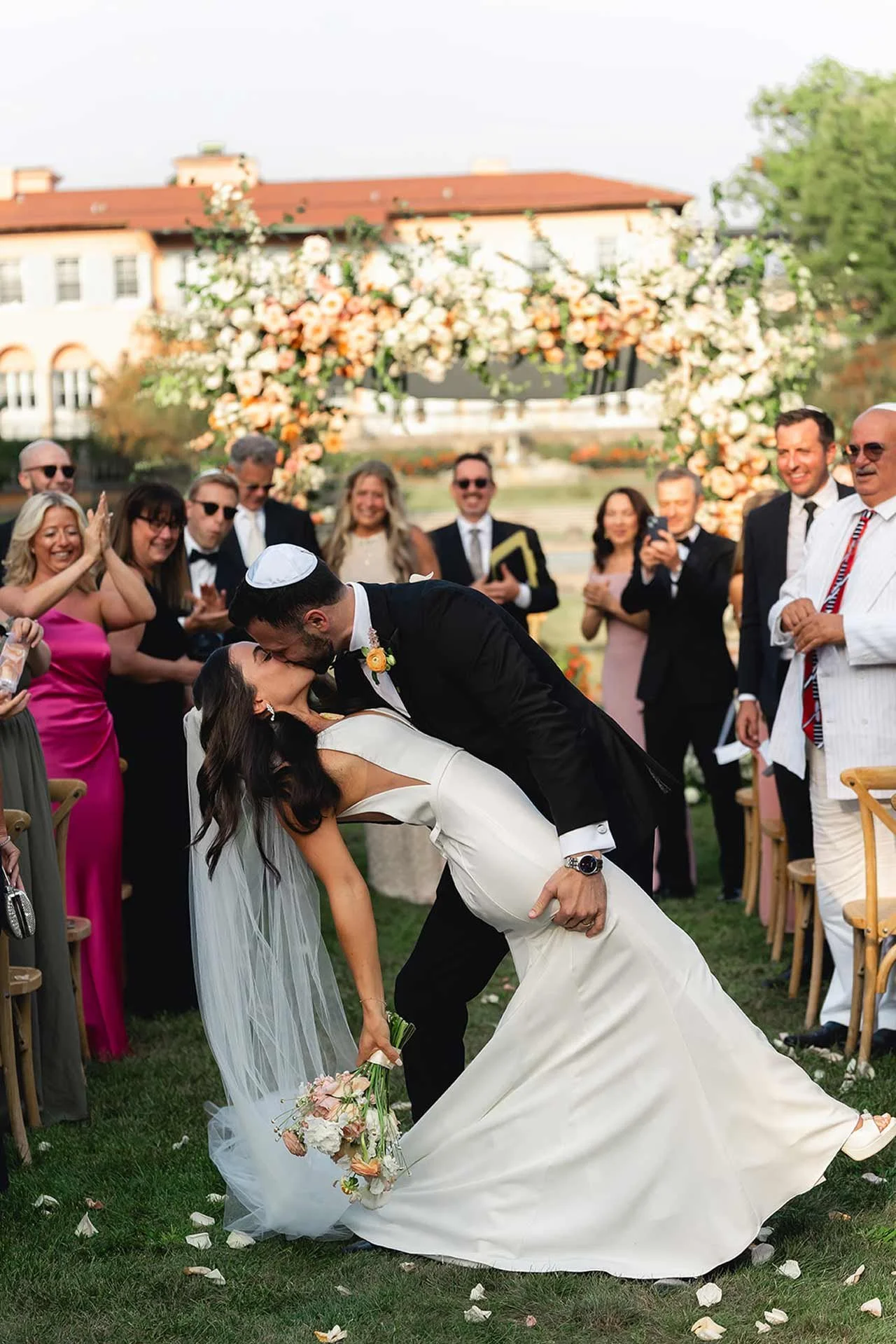
A good wedding day timeline in Chicago shouldn’t feel like a checklist. Everything should follow a natural progression.
Think about how the day moves:
Getting ready → calm, slower pace
Ceremony → focused, emotional
Cocktail hour → social, relaxed
Reception → high energy
If you’re constantly jumping between locations or cramming too many things in your day, it breaks that flow.
A Sample Chicago Wedding Timeline
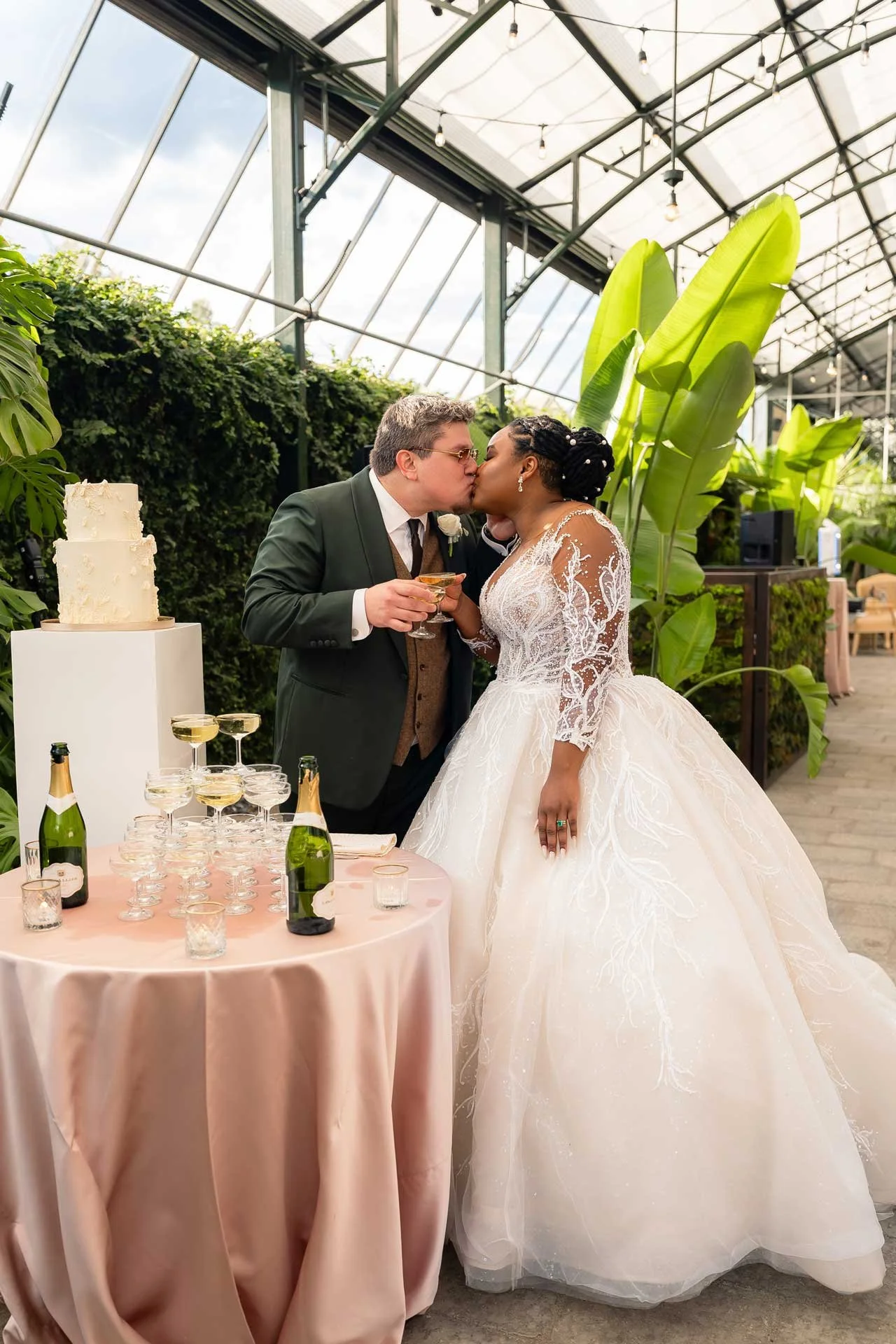
Here’s a rough Chicago wedding timeline, but it gives you a sense of how things can fit together:
10:00 AM – Getting ready begins
1:30 PM – First look & couple portraits
2:30 PM – Wedding party photos
3:30 PM – Relax before ceremony
4:00 PM – Ceremony
4:45 PM – Family photos
5:00 PM – Cocktail hour
6:00 PM – Reception begins
7:30 PM – Sunset portraits (quick 10–15 minutes)
Planning Your Chicago Wedding?
If you’re putting your timeline together and aren’t sure what makes sense, I’m happy to help plan it with you. A lot of this comes down to small decisions that make a big difference once the day starts.
You can reach out here: https://calebschaftlein.com/contact.
If you want to see what working together looks like, you can check out my wedding packages HERE.
I’m a Chicago Wedding and Engagement photographer, and my focus is on making sure your day feels natural, and the way it’s captured reflects that.